
Paris is one of those cities that often lives up to the expectations. Known for its grand architecture, historic landmarks, world-class museums, and café culture, the French capital offers a mix of iconic sights and everyday local charm that keeps travelers coming back. Whether it’s your first visit or a return trip, Paris has a way of revealing something new each time.
- Best Time to Visit Paris
- When to Avoid Crowds in Paris
- How Many Days Do You Need in Paris?
- Where to Stay in Paris (Best Neighborhoods)
- Top Things to Do in Paris
- Hidden Gems in Paris
- Getting Around Paris
- What to Eat in Paris
- Typical Costs in Paris
- Money-Saving Tips for Paris
- Paris Itinerary Ideas (1 to 7 Days)
- Best Day Trips from Paris
- Essential Paris Travel Tips
- Plan Your Paris Trip
Set along the banks of the Seine, the city is made up of neighborhoods each with its own personality. You can spend the morning admiring masterpieces in the Louvre, the afternoon wandering quiet streets in Le Marais, and the evening watching the Eiffel Tower sparkle. That contrast between monumental landmarks and small everyday moments is part of what makes Paris so memorable.
For first-time visitors, Paris can feel overwhelming simply because there is so much to see. But that’s also what makes it rewarding. Some travelers come for the art and history, others for food, fashion, or romantic city views—but Paris works well for all kinds of travel styles, whether you’re visiting on a budget, planning a luxury getaway, or building a classic first-time itinerary.
One of the biggest surprises for many visitors is that Paris is highly walkable and often best experienced slowly. Some of the city’s best moments happen between major attractions—finding a neighborhood market, stopping at a corner bakery, or crossing a bridge at sunset. This guide covers not only the famous highlights, but also practical tips to help you plan your trip well and experience more than just the postcard version of Paris.
In this guide, you’ll find everything from when to visit Paris and where to stay, to top attractions, typical costs, food tips, itineraries, and day trips, making it a complete starting point for planning your trip.
Why Visit Paris?
Paris has an unusual balance of history and everyday life. Few cities combine globally known landmarks like the Eiffel Tower and Notre-Dame with neighborhood streets that feel so lived-in and local.
Some reasons travelers love Paris:
- Iconic landmarks and museums
- Beautiful walkable neighborhoods
- Exceptional food and café culture
- Day trips like Versailles and Giverny
- Historic atmosphere mixed with modern energy
Paris can be visited for art, food, architecture, shopping, romance or all of it at once.
Is Paris Worth Visiting for First-Time Travelers?
Absolutely! Paris is one of Europe’s classic first-time destinations for good reason. It has excellent public transportation, endless things to do, and many of its major attractions are close enough to combine easily into an itinerary.
It also works well for different trip lengths. Even a long weekend can cover major highlights, while five days or more allows time to explore beyond the obvious.
And perhaps most importantly, Paris rewards both planning and spontaneity—something not every major city does.
Best Time to Visit Paris
Paris is a year-round destination, but the best time to visit depends on what kind of trip you want. Some travelers come for spring gardens and café terraces, others for summer energy, fall colors, or festive winter markets. Each season offers a different side of the city.
For many first-time visitors, spring (April to June) and fall (September to October) are often considered the best times to visit Paris. The weather is generally pleasant, outdoor spaces are at their best, and the city feels lively without the peak summer intensity.
Paris in Spring (March to May)
Spring is one of the most popular times to visit Paris, and for good reason. Parks and gardens begin to bloom, café terraces fill up again, and the city feels especially photogenic.
Temperatures are usually mild, making it ideal for walking neighborhoods like Montmartre or along the Seine. It’s also a great season for outdoor picnics, river cruises, and enjoying Paris before the height of summer tourism.
Why visit in spring:
- Comfortable sightseeing weather
- Gardens in bloom (especially Luxembourg Gardens and Tuileries)
- Great season for photography
- Long daylight hours begin returning
Good to know: April and May can be busy, so booking accommodation early is a good idea.
Paris in Summer (June to August)
Summer brings long days, lively streets, outdoor events, and a classic Paris atmosphere. This is when many travelers imagine visiting the city.
You’ll find outdoor dining everywhere, sunset picnics by the Seine, and seasonal events such as open-air cinema and summer festivals. It’s an exciting time to be in Paris, especially if you enjoy energy and people-watching.
However, it’s also peak season. Major attractions are busiest, and prices for flights and hotels are often higher.
Best for:
- First-time summer trips
- Outdoor dining and events
- Long sightseeing days
- Classic “Paris in summer” atmosphere
Good to know: July and August can be hot, and some smaller local businesses may close during French holiday periods.
Paris in Fall (September to November)
Fall is often considered one of the most underrated times to visit Paris. The summer crowds begin easing, temperatures stay pleasant early in the season, and the city takes on a different charm.
Tree-lined boulevards and parks become especially beautiful in autumn, and it can be one of the best seasons for a slower, more atmospheric trip.
September in particular often feels like a sweet spot, great weather with fewer crowds than summer.
Why many travelers love fall:
- Fewer tourists than peak summer
- Beautiful autumn colors
- Mild temperatures
- Great food and wine season
Paris in Winter (December to February)
Winter shows a quieter, more atmospheric side of Paris. Holiday lights, Christmas markets, decorated department stores, and cozy cafés give the city a very different feel.
It can be cold and gray at times, but winter often comes with lower hotel prices and fewer crowds at major museums.
For museum lovers, food-focused travelers, or those wanting a more romantic off-season trip, winter can be surprisingly appealing.
Best winter highlights:
- Christmas markets and festive lights
- Fewer crowds at major attractions
- Potentially lower accommodation costs
- Cozy café and museum season
Good to know: December is popular due to holidays, while January and February tend to be quieter.
Best Time to Visit Paris for First-Time Visitors
If it’s your first trip, late spring (May–June) and early fall (September) are often ideal.
You’ll usually get:
- Pleasant weather
- Walkable sightseeing days
- Outdoor café culture at its best
- Manageable crowds compared to peak summer
If your priorities are budget and fewer crowds, winter may be worth considering.
When to Avoid Crowds in Paris
If you want a quieter experience:
- Visit in early spring or late fall
- Travel midweek when possible
- Go to major attractions early morning or late afternoon
- Avoid major holiday periods if possible
Timing your visit well can shape your entire experience in Paris.
How Many Days Do You Need in Paris?
One of the most common questions when planning a trip to Paris is how long to stay. The truth is, it depends on your travel style, but Paris rewards a slower pace more than most cities.
While you can see the main highlights in a short visit, spending a bit more time allows you to experience the city beyond the famous landmarks and into its neighborhoods, cafés, and everyday rhythm.
Is 3 Days in Paris Enough?
A 3-day trip to Paris is short, but it can still cover the essentials if you plan well. This is often enough for first-time visitors who want to see the “big highlights” of the city.
In a typical 3-day visit, you can expect to fit in:
- The Eiffel Tower and surrounding area
- The Louvre or Musée d’Orsay
- Notre-Dame and Île de la Cité
- A walk along the Seine
- A short exploration of Montmartre
However, the pace will be quite full. You’ll likely be moving quickly between attractions and won’t have much time for slower experiences like long café visits or exploring multiple neighborhoods in depth.
Good to know: Three days works best if you stay centrally located and group attractions by area to reduce travel time.
Is 5 Days in Paris Enough?
A 5-day stay is often considered the sweet spot for first-time visitors. It gives you enough time to see major landmarks without feeling rushed, while also allowing space for slower exploration.
With 5 days, you can:
- Visit all major landmarks at a comfortable pace
- Explore neighborhoods like Le Marais and Latin Quarter
- Spend more time in museums without rushing
- Enjoy café culture and spontaneous wandering
- Add a half-day trip, such as Versailles
This duration also allows you to balance sightseeing with downtime, which is an important part of experiencing Paris properly.
How Long Should You Stay in Paris for a First Visit?
For most travelers, 4 to 5 days is the ideal range. It gives you enough time to see the highlights while still leaving space to enjoy the city’s atmosphere.
Here’s a simple breakdown:
- 2–3 days: Fast-paced highlights trip
- 4–5 days: Balanced first-time experience
- 6–7+ days: Deep exploration + day trips
Longer stays allow you to explore beyond central Paris and discover quieter neighborhoods, local markets, and less tourist-heavy areas.
How to Think About Your Time in Paris
Instead of focusing only on attractions, it helps to think in terms of neighborhood-based travel. Paris is best experienced by grouping your days geographically.
For example:
- One day for central landmarks (Eiffel Tower, Louvre area)
- One day for Montmartre and northern Paris
- One day for Le Marais and Île de la Cité
- Extra days for museums, shopping, or day trips
This approach reduces travel time and makes the city feel more relaxed and enjoyable.
Final Tip
If you’re unsure how long to stay, it’s usually better to add an extra day rather than cut your trip too short. Paris is not just about sightseeing. It’s about slowing down and experiencing the city between attractions.
Where to Stay in Paris (Best Neighborhoods)
The city is divided into distinct neighborhoods (arrondissements), and each one offers a different atmosphere from historic streets and artistic districts to quiet residential areas and lively nightlife zones.
There’s no single “best” area for everyone. Instead, it depends on your travel style, budget, and how you plan to explore the city.
Below are some of the best areas to stay in Paris for first-time and returning visitors.
Le Marais – Best for Atmosphere & Central Location
Le Marais is one of the most popular areas to stay in Paris, and it’s easy to see why. It combines historic architecture with trendy cafés, boutiques, and lively streets.
This neighborhood is centrally located, making it easy to walk or take short metro rides to major attractions like Notre-Dame, the Louvre, and the Seine.
It also has a strong local vibe, with small bakeries, art galleries, and hidden courtyards that give it a more authentic feel compared to heavily tourist-focused areas.
Best for:
- First-time visitors
- Walkable sightseeing
- Cafés, shopping, and nightlife
Saint-Germain-des-Prés – Elegant & Classic Paris
Saint-Germain-des-Prés offers a more refined and traditional Paris experience. Known for its literary cafés and historic charm, this area feels elegant without being overly touristy.
It’s close to landmarks like the Luxembourg Gardens and the Seine, making it a great base for exploring central Paris on foot.
The atmosphere here is slower and more polished, with classic cafés where writers and artists once gathered.
Best for:
- Romantic trips
- Classic Paris atmosphere
- Quiet but central location
Latin Quarter – Budget-Friendly & Lively
The Latin Quarter is one of the oldest parts of Paris and has a youthful, energetic vibe thanks to its student population and university culture.
It’s filled with affordable restaurants, bookshops, and small cafés, making it a good option for budget-conscious travelers who still want a central location.
You’re also close to landmarks like Notre-Dame and the Panthéon.
Best for:
- Budget travelers
- Students and young travelers
- Lively street atmosphere
Montmartre – Artistic & Scenic
Montmartre sits on a hill in the northern part of Paris and feels like a village within the city. It’s famous for its artistic history, cobbled streets, and the stunning Sacré-Cœur Basilica.
Staying here offers some of the best views in Paris, especially at sunrise or sunset. However, it’s slightly farther from central attractions, so expect more metro use.
Best for:
- Scenic views
- Artistic atmosphere
- Slower-paced stays
Best Areas for First-Time Visitors
If it’s your first time in Paris, the safest and most convenient choices are:
- Le Marais – best overall balance of location and atmosphere
- Latin Quarter – best for budget and central access
- Saint-Germain-des-Prés – best for a classic Paris feel
These areas keep you close to major attractions while still offering unique character.
Where to Stay in Paris on a Budget
Paris can be expensive, but location flexibility helps a lot. Budget travelers often choose:
- The Latin Quarter
- Parts of Montmartre
- Areas slightly outside the central arrondissements
Staying near a metro line is more important than being directly next to attractions, since public transport is efficient and easy to use.
Final Tip
Try not to choose accommodation based only on price, location in Paris affects how much you’ll enjoy the city. A slightly more central stay can save time and make sightseeing much easier.
Top Things to Do in Paris
Paris is filled with world-famous landmarks, but what makes the city special is how easily you can combine major attractions with simple experiences like walking along the Seine or stopping at a café. Most of the top sights are relatively close to each other, especially in central Paris, which makes sightseeing efficient if you plan your days well.
Below are the essential places and experiences you shouldn’t miss on your first visit.
Eiffel Tower – The Icon of Paris
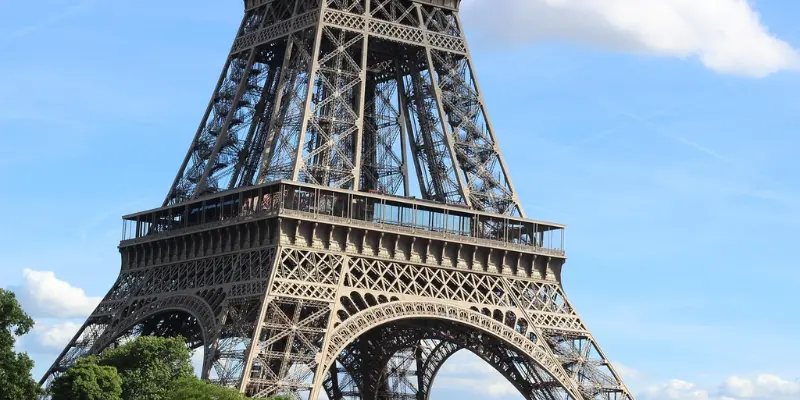
No visit to Paris is complete without seeing the Eiffel Tower. Whether you view it from below, take the elevator to the top, or admire it from a distance, it remains the city’s most recognizable landmark.
The area around the tower, especially Champ de Mars, is perfect for picnics and relaxed walks. At night, the Eiffel Tower lights up and sparkles every hour, creating one of the most memorable scenes in the city.
Good to know: Tickets to the top often sell out in advance, so booking early is strongly recommended if you want to go up.
The Louvre Museum – World’s Most Famous Art Collection
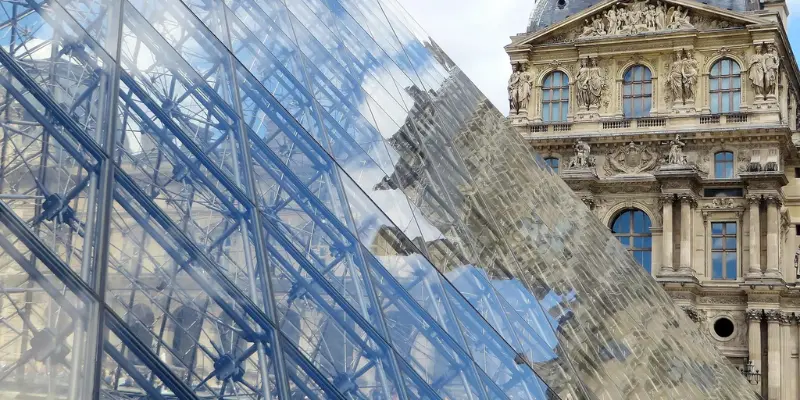
The Louvre is not just a museum. It’s one of the largest and most important art museums in the world. Home to thousands of works, including the Mona Lisa and Venus de Milo, it can easily take several hours (or even multiple visits) to explore properly.
Even if you’re not deeply into art, the building itself is worth seeing. The glass pyramid in the courtyard has become one of Paris’s most iconic modern landmarks.
Good to know: The museum is huge, so trying to see everything in one visit isn’t realistic. It’s better to focus on a few sections that interest you most.
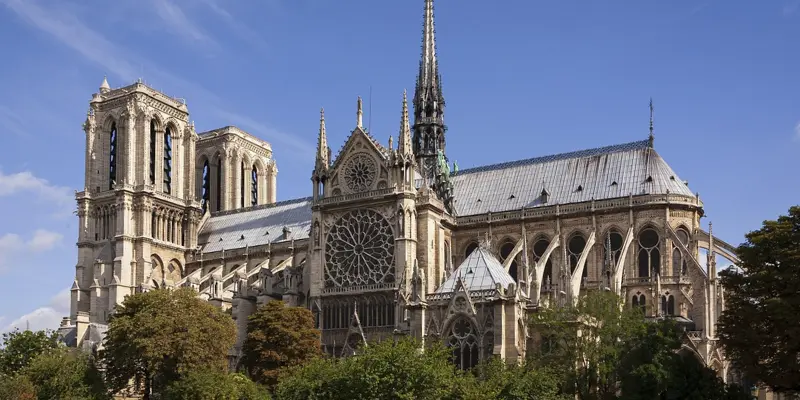
Notre-Dame Cathedral – Gothic Architecture at Its Best
Notre-Dame is one of the most famous examples of French Gothic architecture. Although parts of the cathedral have been under restoration, the exterior and surrounding Île de la Cité remain a major highlight.
The area around Notre-Dame is also one of the oldest parts of Paris, with narrow streets, small squares, and riverside views.
Good to know: Even during restoration, the surrounding area is still very worth visiting for its atmosphere and history.
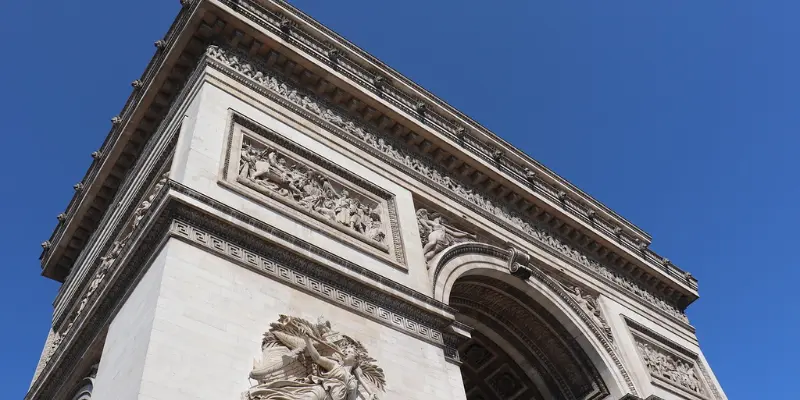
Arc de Triomphe & Champs-Élysées – Classic Paris Views
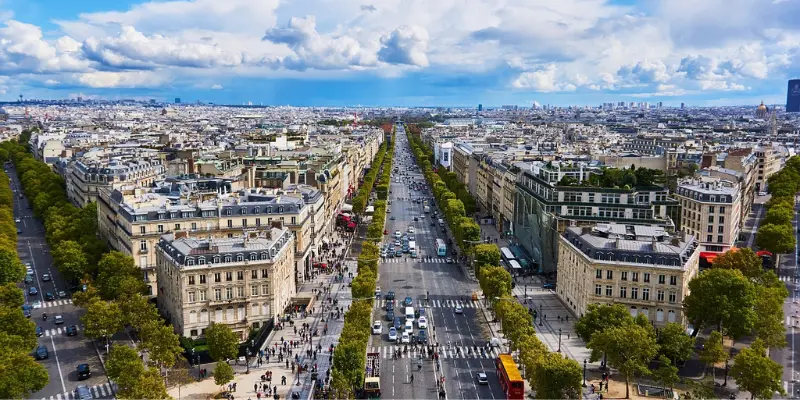
The Arc de Triomphe sits at the top of the Champs-Élysées and offers one of the best panoramic views in Paris. From the top, you can see the city’s famous star-shaped avenue layout.
The Champs-Élysées itself is a long boulevard filled with shops, cafés, and theaters, making it one of the busiest streets in the city.
Good to know: To reach the Arc safely, use the underground passage. NEVER cross the roundabout above ground.
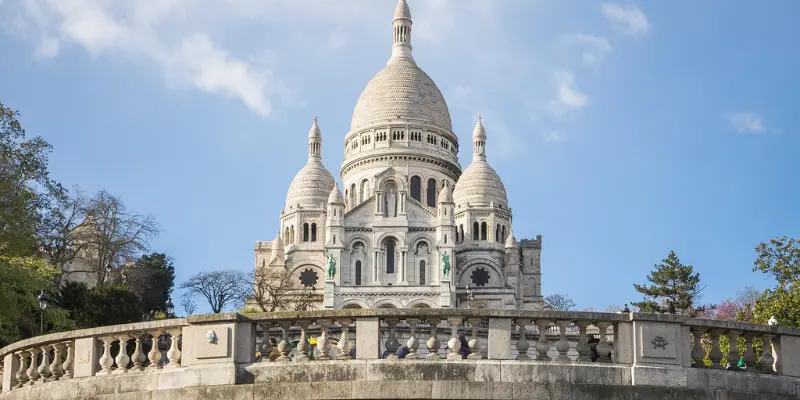
Montmartre & Sacré-Cœur – Artistic Paris
Montmartre feels different from the rest of Paris. With its steep streets, artistic history, and village-like atmosphere, it has long been associated with painters, writers, and bohemian culture.
At the top sits the Sacré-Cœur Basilica, which offers one of the best free viewpoints in the city. The surrounding area is full of small cafés, street artists, and charming squares.
Good to know: Sunset is one of the best times to visit for views over Paris, but it can also be crowded.
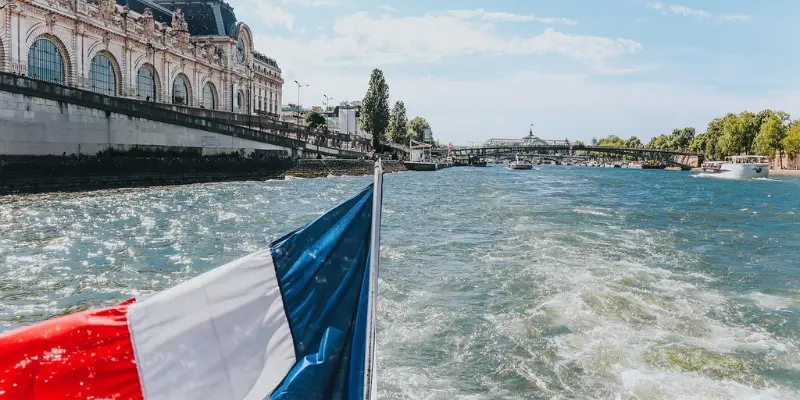
Seine River Cruise – A Different View of Paris
A Seine river cruise is one of the easiest ways to see many of Paris’s landmarks in a short time. From the water, you’ll pass the Eiffel Tower, Notre-Dame, and several historic bridges.
It’s especially popular in the evening when the city lights reflect on the river.
Good to know: Short cruises are affordable and run frequently, making them easy to fit into any itinerary.
How to Plan These Attractions
Most of these sights are located along or near the Seine, meaning they can be grouped into efficient sightseeing days:
- Central Paris: Louvre, Notre-Dame, Seine walk
- Western Paris: Eiffel Tower, Champs-Élysées, Arc de Triomphe
- Northern Paris: Montmartre & Sacré-Cœur
Final Tip
You don’t need to rush through all attractions in one day. Paris is best experienced when you combine sightseeing with slow moments: cafés, walks, and unexpected discoveries between major landmarks.
Hidden Gems in Paris
While Paris is famous for its iconic landmarks, some of its most memorable experiences come from quieter, less tourist-heavy places. These hidden gems show a more local and relaxed side of the city, often just a few streets away from major attractions.
They’re perfect for travelers who want to go beyond the typical checklist and experience Paris at a slower, more authentic pace.
Covered Passages – Secret Shopping Arcades
Paris is home to several historic covered passages—glass-roofed arcades filled with small shops, cafés, and bookstores. They date back to the 19th century and feel like stepping into another era.
Each passage has its own personality, from antique shops to vintage boutiques and quiet tea rooms. They’re especially enjoyable on rainy days when you want to stay indoors but still explore.
Good to know: These passages are scattered mainly across central Paris, so they can easily be visited while walking between major attractions.
Canal Saint-Martin – Local and Relaxed Atmosphere
Canal Saint-Martin is a peaceful waterway lined with trees, footbridges, and cafés. Unlike the busy Seine areas near major landmarks, this neighborhood feels more residential and laid-back.
Locals often gather here for picnics, casual walks, or evenings by the water. It’s a great place to slow down and experience everyday Paris life.
Good to know: Evenings and weekends are the most lively times, especially in warmer months.
Rue Crémieux – One of the Most Colorful Streets in Paris
Rue Crémieux is a short residential street known for its pastel-colored houses and charming details. It has become popular on social media, but it still remains primarily a residential area.
It’s a quick stop rather than a long activity, but it’s one of the most visually unique streets in the city.
Good to know: Be respectful when visiting, as people live here. Keep noise low and avoid blocking entrances or photographing private spaces too closely.
Hidden Viewpoints of Paris
Beyond the Eiffel Tower and Montmartre, Paris has several lesser-known viewpoints that offer incredible city panoramas without the heavy crowds.
Some rooftops, bridges, and parks provide unique angles of the city skyline, especially at sunset.
Many of these viewpoints are free and don’t require tickets, just a bit of exploration.
Local Markets & Everyday Paris Life
One of the best ways to experience Paris beyond tourist attractions is by visiting local markets. These markets are where Parisians shop for fresh produce, cheese, bread, and flowers.
They offer a much more authentic look at daily life in the city and are ideal for trying simple, high-quality food without formal restaurants.
Good to know: Morning visits are best, as markets tend to wind down in the early afternoon.
Why These Hidden Gems Matter
Hidden gems give balance to your trip. While landmarks show you the history and identity of Paris, these smaller spots show how the city actually feels day to day.
They also help you avoid burnout from constant sightseeing by mixing in slower, more relaxed experiences.
Final Tip
Try to include at least one hidden gem in each day of your itinerary. Even a short detour can completely change your impression of a neighborhood and make your trip feel more personal.
Getting Around Paris
Getting around Paris is relatively straightforward once you understand the basics, and most visitors quickly find that the city is easier to navigate than it first appears. The combination of a dense metro network, walkable neighborhoods, and short distances between major sights makes movement across the city efficient.
Using the Paris Metro
The metro is the backbone of transport in Paris and the fastest way to move between districts. Stations are widely distributed, so you’re rarely far from an entrance, even in residential areas.
Lines are numbered and color-coded, which helps simplify navigation. Transfers between lines are clearly marked, and once you make a few journeys, the system becomes intuitive.
For most sightseeing routes, the metro significantly reduces travel time compared to surface transport, especially during busy hours.
Tickets and Transport Passes
There are several ways to pay for transport depending on how long you stay and how frequently you travel.
Single tickets work well for occasional trips, while day passes are more practical if you’re planning multiple stops in a single day. Longer stays may benefit from weekly passes, which are commonly used by locals as well.
Choosing the right option often depends on your itinerary—central stays usually require less transport than trips covering wider areas of the city.
Walking as a Primary Way to Explore
Walking is one of the most effective ways to experience Paris. Many of the city’s highlights are closer together than they seem on a map, especially in central arrondissements.
Areas like the Seine riverbanks, the Latin Quarter, and Le Marais are particularly suited for exploring on foot. Walking not only reduces transport time but also allows you to naturally discover cafés, small shops, and side streets that aren’t part of standard sightseeing routes.
Comfortable footwear becomes essential, as daily walking distances can add up quickly without you noticing.
Getting From the Airports
Paris is served mainly by Charles de Gaulle (CDG) and Orly (ORY) airports, both of which are well connected to the city center.
CDG is further out but has direct train and bus connections into central Paris. Orly is closer and generally offers slightly shorter transfer times. Taxis operate with fixed fares into the city, which can be convenient if you’re arriving with luggage or late in the day.
Choosing between train, bus, or taxi usually comes down to budget, arrival time, and comfort preference.
Moving Around Efficiently
The most practical way to navigate Paris is to combine transport methods rather than relying on just one.
The metro works best for longer distances, while walking is ideal for exploring neighborhoods in detail. For specific situations—such as late nights or heavy luggage—rideshare services or taxis can be useful alternatives.
Structuring your day by area also reduces unnecessary travel and makes the city feel more compact and manageable.
What to Eat in Paris
Food in Paris is not something you “tick off a list”. It’s part of how the city is experienced day to day. Meals are often simple, but there’s a strong focus on quality ingredients, seasonal produce, and routine. Whether it’s a quick pastry in the morning or a long dinner at a small bistro, food naturally becomes part of your rhythm while exploring the city.
Classic French Food Culture
Traditional French food in Paris is widely accessible and doesn’t require expensive restaurants to experience properly. Many cafés and brasseries serve everyday dishes like steak frites, onion soup, roast chicken, and duck-based meals, usually paired with simple sides rather than complex presentations.
What’s interesting is that the quality often comes from technique and ingredients rather than heavy seasoning or decoration. Even a very basic-looking restaurant can serve a well-executed meal if it follows traditional cooking styles. Menus also tend to shift with the seasons, so dishes feel slightly different depending on the time of year you visit.
Bakery Culture and Everyday Eating
One of the most consistent food experiences in Paris is the bakery culture. Bakeries are everywhere, and many locals rely on them daily for breakfast or lunch. Fresh baguettes, croissants, and pain au chocolat are baked throughout the day and sold at nearly every corner.
It’s common to see people grabbing a quick pastry and coffee in the morning before heading to work or sightseeing. What makes it interesting for visitors is that even small neighborhood bakeries often maintain high quality, so you don’t need to chase famous spots to have a good experience.
Trying different bakeries in different neighborhoods can actually become part of exploring the city itself, since each area often has its own preferred local bakery.
Food Markets and Local Shopping
Food markets in Paris offer a different side of the city’s food culture. Instead of prepared meals, you’ll find fresh produce, cheese, bread, seafood, meats, and seasonal ingredients sourced from different regions of France.
These markets are usually most active in the morning, when everything is freshly displayed and the atmosphere feels lively but still relaxed. Many visitors enjoy putting together simple picnic-style meals from market ingredients and eating them in parks or along the Seine.
Unlike restaurants, markets feel more practical and less curated for tourists, which gives a clearer sense of how locals actually shop and eat.
Eating Well on a Budget
Paris has a reputation for being expensive, but food doesn’t have to follow that pattern if you plan slightly around local habits. Many cafés offer fixed-price lunch menus that are noticeably cheaper than dinner service, making midday a good time to eat in restaurants without overspending.
Bakeries are another key part of budget-friendly eating. Sandwiches, quiches, and salads are widely available and often used by locals for quick meals between activities. They’re simple but usually fresh and satisfying enough for a full lunch.
Supermarkets and takeaway options also help balance costs, especially on days when you want something quick before continuing sightseeing.
How Food Fits Into the City Experience
What makes eating in Paris different from many cities is the pace. Meals are rarely rushed, even in casual settings. Sitting at a café, taking time over lunch, or pausing for coffee is part of the normal rhythm of daily life.
Even small food moments – like stopping at a bakery or sitting outside a café – often end up being just as memorable as major attractions. Food here is less about individual dishes and more about how it fits into the flow of the day.
Typical Costs in Paris
Paris can fit a wide range of budgets, but it’s generally considered a mid-to-expensive European destination, especially when it comes to accommodation and dining in central areas. That said, how much you spend depends heavily on your travel style, where you stay, and how often you choose paid attractions versus free experiences.
Most travelers find that daily costs vary more by choices than by the city itself. You can spend relatively little if you lean into bakeries, public transport, and free sights, or significantly more if you prioritize museums, restaurants, and central hotels.
Daily Budget Breakdown (What to Expect)
A typical daily budget in Paris usually falls into three broad categories:
Budget travelers can expect to spend around €70–€120 per day if they stay in hostels or budget hotels, rely on bakeries and casual meals, and focus on free or low-cost attractions. This style often includes walking a lot and using the metro only when necessary.
Mid-range travelers usually spend around €150–€300 per day. This includes staying in well-located hotels or private rentals, eating at a mix of cafés and sit-down restaurants, and visiting several paid attractions like museums or river cruises.
Luxury travel in Paris can easily exceed €400+ per day, especially with high-end hotels, fine dining, private tours, and premium experiences like guided museum visits or upscale shopping districts.
Accommodation Costs
Hotels are typically the biggest expense in Paris. Prices vary significantly depending on the arrondissement and season. Central neighborhoods like Le Marais or Saint-Germain-des-Prés tend to be more expensive, while outer districts or less tourist-heavy areas can offer better value.
Budget accommodations often start in shared hostels or basic hotels outside the center, while mid-range hotels in good locations usually represent the most balanced option for first-time visitors.
Food & Dining Costs
Food costs in Paris depend heavily on where you eat. Simple bakery meals, sandwiches, or casual cafés can keep daily food expenses relatively low, especially for lunch.
Sit-down restaurants and traditional brasseries are more expensive, particularly in central tourist areas. However, many places offer fixed-price lunch menus, which are often better value than dinner service and still provide a full dining experience.
At the higher end, fine dining and tasting menus can significantly increase your daily budget, especially in well-known restaurants.
Transport Costs
Public transport in Paris is relatively affordable compared to other major European capitals. A single metro ticket covers most short trips within the city, while day or weekly passes can reduce costs if you plan to move around frequently.
Walking also reduces transport expenses significantly, since many major attractions are closer together than they first appear on a map. For airport transfers, options like RER trains are usually more economical than taxis.
Attraction Costs
Many of Paris’s most famous attractions require entry fees, especially museums and monuments. Places like the Louvre, Musée d’Orsay, and Eiffel Tower viewing platforms can add up if you plan multiple visits in a short time.
However, several major experiences—like walking along the Seine, exploring neighborhoods, visiting parks, or viewing landmarks from outside—are completely free and still highly rewarding.
Overall Spending Reality
What often surprises visitors is not the high cost of individual items, but how quickly small expenses add up, especially café stops, transport tickets, and entry fees.
At the same time, Paris offers a strong balance between paid and free experiences, meaning you can adjust your trip significantly based on how you prioritize sightseeing versus atmosphere and exploration.
Money-Saving Tips for Paris
Paris has a reputation for being expensive, but in reality, many travelers overspend simply because they follow tourist habits instead of local ones. Once you understand how Parisians actually eat, move around, and plan their days, it becomes much easier to reduce costs without losing the experience.
Saving money in Paris is less about cutting out attractions and more about choosing the right timing, location, and daily habits.
Take Advantage of Free Experiences
One of the easiest ways to save money in Paris is to focus on the large number of free experiences the city offers. Walking along the Seine, exploring neighborhoods like Le Marais or Montmartre, and visiting parks such as the Luxembourg Gardens cost nothing but often become highlights of the trip.
Many churches, viewpoints, and public spaces are also free to enter, meaning you can experience a large part of the city without constantly paying entry fees.
Museums also offer free entry on certain days or evenings, depending on the season, which can significantly reduce sightseeing costs if planned in advance.
Eat Like a Local Instead of Tourist Areas
Food costs can vary dramatically depending on where you eat. Restaurants located near major attractions tend to be more expensive, while cafés and bakeries in residential neighborhoods are usually more affordable and just as high in quality.
A common local habit is to grab a bakery item for lunch or choose fixed-price lunch menus instead of dinner service, which is often significantly more expensive. This simple shift can reduce daily food costs without limiting your experience.
Supermarkets and takeaway options also help balance budgets, especially on days when you’re constantly moving between attractions.
Use Public Transport Strategically
While Paris has an excellent metro system, you don’t always need to rely on it for every movement. Many central attractions are close enough to walk between, which can reduce transport costs significantly.
When you do use the metro, choosing day or multi-day passes can be more cost-effective than buying single tickets repeatedly. Planning your sightseeing by neighborhood also reduces unnecessary travel.
Airport transfers are another area where costs can vary, with train options often being much cheaper than taxis.
Book Accommodation Outside Prime Zones
Staying directly next to major landmarks usually comes at a premium. Slightly less central neighborhoods can offer better value while still being well connected by metro.
Areas a few stops away from the center often provide larger rooms or better prices without sacrificing convenience, especially if they are located near metro lines.
The key is balancing location with transport access rather than aiming for the most tourist-heavy districts.
Plan Attractions in Advance
Many popular attractions in Paris offer cheaper tickets when booked online in advance. This is especially true for major landmarks and museums where timed entry is common.
Planning ahead also helps avoid last-minute decisions that often lead to higher-cost options or unnecessary purchases around tourist zones.
Grouping attractions by area in advance also reduces transport costs and time spent moving across the city.
How to Keep Overall Costs Low
The biggest savings in Paris usually come from small, consistent choices rather than one major decision. Walking more, eating simpler meals during the day, and combining free activities with selected paid experiences can significantly reduce your total spend.
Paris remains flexible in that sense—you can scale your trip up or down depending on how you balance comfort, convenience, and exploration.
Paris Itinerary Ideas (1 to 7 Days)
Planning your time in Paris becomes much easier once you group sights by area instead of trying to “fit everything in.” The city is compact enough that a well-structured itinerary can save hours of transport time and make the experience feel more relaxed rather than rushed.
Below are simple itinerary ideas depending on how long you’re staying, designed to balance major landmarks with local neighborhoods.
1-Day Paris Itinerary (Highlights Only)
If you only have one day in Paris, the focus is on the absolute essentials in central areas.
Start with the Eiffel Tower area, then move toward the Seine for a walk along the river. From there, continue to Île de la Cité to see Notre-Dame and the surrounding historic streets. In the afternoon, you can visit the Louvre area or simply enjoy the Tuileries Garden.
End the day in Montmartre for sunset views from Sacré-Cœur, which gives you a final panoramic look over the city.
This day is fast-paced, but it covers Paris’s most iconic landmarks in a logical route.
3-Day Paris Itinerary (Most Popular Option)
Three days is often the minimum for a comfortable first visit, allowing you to see major sights without rushing too much.
Day 1: Eiffel Tower, Seine walk, Arc de Triomphe, Champs-Élysées
Day 2: Louvre Museum, Tuileries Garden, Notre-Dame area, Latin Quarter
Day 3: Montmartre, Sacré-Cœur, Le Marais exploration
This structure keeps each day focused on a specific area, reducing unnecessary metro travel and giving more time to enjoy cafés and streets between attractions.
5-Day Paris Itinerary (Balanced Experience)
Five days allows you to slow down and experience both the main attractions and the city’s atmosphere.
You can follow a similar structure to the 3-day plan, but with more breathing room and additional experiences such as:
- A Seine river cruise
- More time inside museums like the Louvre or Musée d’Orsay
- Exploring neighborhoods like Saint-Germain-des-Prés or Canal Saint-Martin
- A half-day trip outside the city
This is often considered the ideal first-trip length because it balances sightseeing with free time.
7-Day Paris Itinerary (Deeper Exploration)
A full week in Paris lets you move beyond the main highlights and explore the city more deeply.
In addition to classic landmarks, you can spend full days in individual neighborhoods, visit multiple museums at a slower pace, and enjoy more local experiences like food markets, smaller galleries, and less tourist-heavy streets.
It also gives you the flexibility to repeat places you enjoyed without feeling rushed.
You can also include a day trip outside Paris, such as Versailles, which adds another layer to the experience.
How to Use These Itineraries
These plans are not strict schedules but flexible frameworks. Paris works best when you combine structured sightseeing with unplanned moments—cafés, walks, and small discoveries between major stops.
Most attractions are close enough that you can adjust your route on the go without losing time, as long as you stay within the same general area each day.
Best Day Trips from Paris
One of the advantages of staying several days in Paris is how easy it is to add memorable day trips without changing hotels. High-speed rail and regional trains make several historic towns, palaces, and countryside destinations realistic even on a short visit.
Day trips also add variety to a Paris itinerary, especially after several days of museums and city sightseeing.
Versailles – The Classic Paris Day Trip
If there is one day trip most first-time visitors consider, it’s Versailles. The palace is famous for its opulent interiors, Hall of Mirrors, and enormous formal gardens, but the estate is much larger than many travelers expect.
A full day is often worth dedicating here, especially if you want time for both the palace and gardens. In warmer months, the gardens alone can take hours to explore.
Versailles is easy to reach by train from Paris, which is one reason it remains the most popular excursion from the city.
Giverny – Monet’s Garden
For something slower-paced and more scenic, Giverny makes a beautiful escape from the city. This small village is best known as the home of Claude Monet and the gardens that inspired many of his paintings.
In spring and summer especially, it’s one of the most visually rewarding day trips from Paris.
It pairs particularly well with travelers interested in art, gardens, or a quieter countryside atmosphere.
Champagne Region
A very different kind of day trip is heading into France’s Champagne region, where visitors can explore vineyard towns, cellar tours, and tastings.
This is often a popular choice for returning visitors who have already seen Versailles or want something less traditional.
Besides champagne houses, many towns in the region have historic centers worth exploring in their own right.
Loire Valley Castles
If you’re interested in castles and countryside scenery, the Loire Valley offers one of France’s most rewarding excursions.
The region is known for storybook châteaux, vineyards, and small villages, making it feel very different from Paris while still accessible as a long day trip or overnight extension.
Because there are multiple castles rather than a single attraction, this often appeals to travelers looking for a broader cultural experience.
Can You Do Day Trips Without a Car?
Yes—many of the best day trips from Paris are specifically popular because they’re easy by train. In many cases, rail is easier than driving.
That accessibility is one of the reasons Paris works so well as a longer trip base.
Which Day Trip Should You Choose?
If it’s your first trip:
Versailles for history and iconic sights
Giverny for scenery and art
Champagne for food and wine experiences
Loire Valley for castles and countryside
If you have time for only one, Versailles is usually the classic choice.
Essential Paris Travel Tips
Paris is relatively easy to visit, but a few practical tips can make a big difference in how smooth your trip feels. Many first-time visitors focus heavily on attractions and itineraries, but often it’s the smaller logistical details – timing, etiquette, transport habits, and common mistakes – that shape the overall experience.
These are the kinds of tips that help you experience the city more confidently and avoid some of the common frustrations travelers run into.
Book Major Attractions in Advance
Some of Paris’s most popular attractions can sell out or develop long queues, especially during spring and summer. Booking timed entry tickets ahead of time for places like the Eiffel Tower or the Louvre can save both time and stress.
This is particularly useful if you’re visiting on a shorter trip, where losing hours in line can affect the rest of your itinerary.
Planning major sights in advance also makes it easier to build each day by neighborhood rather than moving back and forth across the city.
Use the Metro
The metro is excellent, but many first-time visitors underestimate how walkable Paris is. Some of the city’s best moments happen between attractions rather than at them.
Walking often reveals cafés, side streets, markets, and architecture you would otherwise miss underground.
Using the metro for longer distances and walking within neighborhoods usually creates the best balance.
Be Aware of Common Tourist Mistakes
One common mistake is overpacking each day with too many major sights. Paris often feels better when explored at a slower pace.
Another is eating exclusively near major landmarks, where prices can be higher and quality less consistent than neighborhood spots.
Visitors also sometimes underestimate how much advance planning matters in high season, especially for accommodation and major attractions.
Learn Basic Paris Etiquette
Simple etiquette goes a long way in Paris. Greeting staff when entering shops or cafés is considered polite and appreciated.
Dining is often slower paced than some visitors expect, and service may feel less rushed because meals are treated as experiences rather than quick transactions.
Understanding these small cultural differences often makes interactions smoother and more enjoyable.
Watch for Common Tourist Scams
Like many major cities, Paris has some tourist scams, particularly around heavily visited landmarks.
The best approach is simple awareness—avoid engaging with unsolicited street petitions, bracelet sellers, or distractions that seem designed to pull attention away from belongings.
Basic city awareness goes a long way, and most visits are trouble-free.
Pack for the Season, Not Just the Photos
Paris style often makes visitors imagine one type of weather, but actual conditions can vary more than expected.
Spring and fall can shift quickly between warm afternoons and cool evenings, while even summer often benefits from light layers. Comfortable walking shoes are far more useful than many first-time visitors realize.
Packing practically usually matters more than packing for a “Paris aesthetic.”
Leave Room for Unplanned Moments
Some of the best parts of Paris are rarely on itineraries—an unexpected market, a quiet street, a long café stop, or a view you discover while wandering.
Trying to optimize every hour often removes some of what makes the city special.
A little unstructured time usually improves a Paris trip rather than reducing what you can see.
Plan Your Paris Trip
Paris is one of those cities that can be approached in many ways—through its landmarks, neighborhoods, food, museums, or simply by wandering without much of a plan. That flexibility is part of what makes it such a rewarding destination, whether it’s your first visit or a return trip.
With the right balance of planning and spontaneity, Paris can be both surprisingly manageable and endlessly layered. You can focus on the iconic highlights, dive deeper into local neighborhoods, add day trips beyond the city, or shape your trip around food, art, or history.
If it’s your first time visiting, a good starting point is simple:
- Choose the right season for your travel style
- Stay in a neighborhood that matches your priorities
- Build your itinerary by area rather than trying to see everything at once
- Mix major attractions with slower local experiences
- Leave room for unexpected discoveries
That combination often leads to a far better trip than trying to maximize every hour.
Paris also rewards returning travelers. Many people come first for the Eiffel Tower and Louvre, then return later for neighborhoods, markets, cafés, and the parts of the city that don’t make every checklist.
Whether you’re planning a quick city break or a longer itinerary, this guide is designed to help you use Paris as more than a list of attractions—and experience it as a city.