
Four days in Paris is a great amount of time for a first visit. It gives you enough time to see the city’s biggest highlights, like the Eiffel Tower, Louvre, and Montmartre without feeling like you’re constantly rushing from one attraction to another. You’ll also have space to experience the slower side of Paris: café breaks, neighborhood walks, and evenings spent along the Seine.
This 4-days-itinerary is designed to help you experience Paris in a practical and enjoyable way by grouping sights by area. Instead of crossing the city multiple times a day, each day focuses on a different part of Paris, making sightseeing smoother and leaving more time to actually enjoy the atmosphere.
You’ll find a mix of iconic landmarks, local neighborhoods, food stops, scenic walks, and a little flexibility depending on your travel style. Whether it’s your first time in Paris or you simply want a well-planned route, this guide is built to help you make the most of four days in the city.
Before You Start: Quick Paris Tips
Where to Stay: Staying in a central neighborhood will save time and make getting around much easier.
- Le Marais: Hôtel du Petit Moulin, Hôtel Emile Le Marais
- Latin Quarter: Hôtel des Grands Hommes, Select Hotel Paris
- Saint-Germain-des-Prés: Hôtel d’Aubusson, Millésime Hôtel
Tickets to Book in Advance: The Eiffel Tower, Louvre Museum, Musée d’Orsay, Sainte-Chapelle, and Arc de Triomphe can all sell out during busy travel periods, especially from spring through early fall. Booking ahead will save time and help secure your preferred entry times.
Best Tours & Experiences: A Seine River Cruise is one of the best ways to see Paris from a different perspective, particularly around sunset. If you enjoy learning about the city’s history, a guided Louvre tour or Montmartre walking tour can add valuable context to many of the places featured in this itinerary.
Save Money on Attractions: If you plan to visit several museums and monuments during your stay, the The Paris Pass can provide good value and includes access to many of the city’s most popular attractions.
Airport Transfers: If you’d rather avoid navigating public transportation after a long flight, booking an airport transfer can be a convenient option, especially if you’re arriving with luggage or traveling as a group.
Stay Connected: Using an eSIM from Airalo makes navigating Paris significantly easier. You’ll be able to use Google Maps, check Metro routes, access attraction tickets, and make restaurant reservations without relying on public Wi-Fi.
Overview of Your 4-Day Paris Itinerary
Paris is one of those cities where you could spend weeks exploring and still leave with places left on your list. With only four days, the key is finding the right balance between famous landmarks, world-class museums, historic neighborhoods, and authentic local experiences.
This itinerary is designed specifically for first-time visitors who want to see Paris’s highlights while still experiencing the atmosphere that makes the city so special. You’ll visit iconic attractions like the Eiffel Tower, Louvre, Notre-Dame, and Sacré-Cœur, but you’ll also spend time in neighborhoods such as Montmartre, Le Marais, Saint-Germain-des-Prés, and the Latin Quarter.
Rather than constantly crossing the city, each day is organized around a specific area and theme, helping you spend less time on transportation and more time enjoying Paris itself.
While this itinerary includes many of the city’s must-see attractions, it also leaves room for scenic walks, rooftop views, local cafés, and some lesser-known corners that many visitors overlook.
Breakdown of Your 4 Days in Paris Itinerary
Day 1: Classic Paris Highlights: Trocadéro, Eiffel Tower, Champ de Mars, Lunch near the Eiffel Tower, Seine riverside walk, Arc de Triomphe, Champs-Élysées, Seine River Cruise, Les Ombres, Eiffel Tower sparkle.
Day 2: History, Art & the Heart of Paris: Louvre Museum, Cour Carrée, Jardin des Tuileries, Café Marly or Le Fumoir, Place de la Concorde, Île de la Cité, Notre-Dame Cathedral, Sainte-Chapelle, Latin Quarter, Le Procope.
Day 3: Montmartre, Le Marais & Local Paris: Montmartre, Sacré-Cœur Basilica, Place du Tertre, Le Consulat, La Maison Rose, Le Marais, Place des Vosges, Chez Janou, Le Marais after dark, Hôtel Dame des Arts Rooftop (optional).
Day 4: Art, Gardens & Classic Parisian Charm: Musée d’Orsay, Pont Royal, Saint-Germain-des-Prés, Café de Flore or Les Deux Magots, Luxembourg Gardens, Panthéon, Les Antiquaires, Galeries Lafayette Rooftop.
Map of This Itinerary
Below you’ll find a customized map featuring all the locations included in this itinerary. To make planning easier, consider assigning a different color to each day:
- Purple: Day 1 – Classic Paris Highlights
- Yellow: Day 2 – History, Art & the Heart of Paris
- Green: Day 3 – Montmartre, Le Marais & Local Paris
- Blue: Day 4 – Art, Gardens & Classic Parisian Charm
- Grey: Transportations
- Red: Accommodations
This makes it easy to visualize each route, understand how the attractions connect, and decide if you’d like to adjust the order based on your interests, accommodation location, or opening hours.
How to Use This Map: This map is fully interactive, allowing you to zoom in and out, move around freely, and click on the icons to view additional details. To open a larger version of the map, click the expand icon in the top-right corner. You can also access different layers and locations by clicking the menu icon in the top-left corner. If you’d like to save the map for your trip, click the star icon next to the map title. The map will then be available in Google Maps on both desktop and mobile – simply go to Saved → Maps to access it whenever you need it.
Day 1: Classic Paris Highlights
Your first day in Paris is all about experiencing the landmarks that have made the city famous around the world. This route focuses on the western side of Paris and combines iconic sights, beautiful viewpoints, a scenic walk along the Seine, and a memorable evening in the heart of the city.
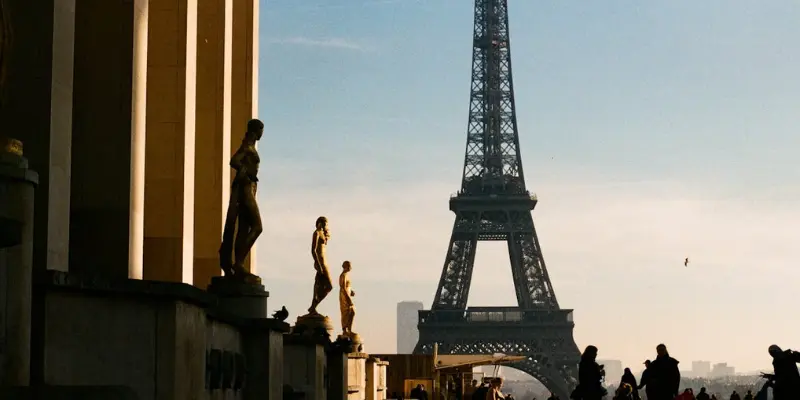
Start the Day at Trocadéro
Begin your morning at Trocadéro, one of the best viewpoints in Paris and arguably the most famous place to photograph the Eiffel Tower.
Arriving shortly after sunrise gives you the clearest views and the smallest crowds. From the terraces, you’ll have an unobstructed view across the gardens toward the Eiffel Tower, making this one of the best locations to capture your first photos of the city.
How to Get to Trocadéro
Take Metro Line 6 or Line 9 to Trocadéro Station. The viewpoint is only a few minutes from the station exit.
Recommended Time
Allow 30–45 minutes to enjoy the viewpoint and take photos before heading toward the Eiffel Tower.
Photo Spot: The upper terrace near the Palais de Chaillot offers one of the classic postcard views of Paris.
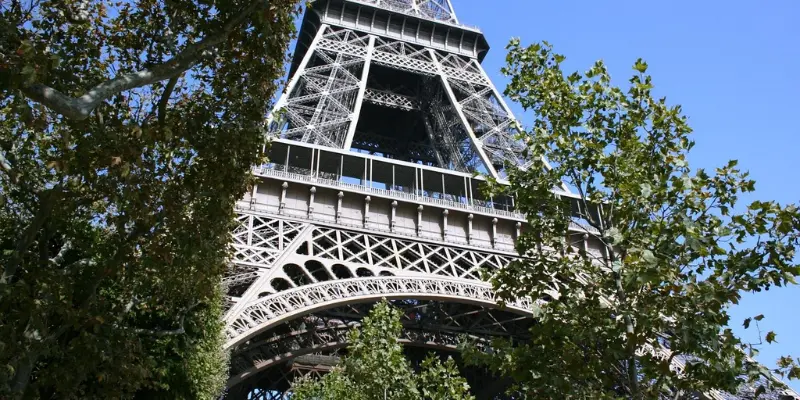
Visit the Eiffel Tower
From Trocadéro, walk down through the gardens and cross the Pont d’Iéna toward the Eiffel Tower.
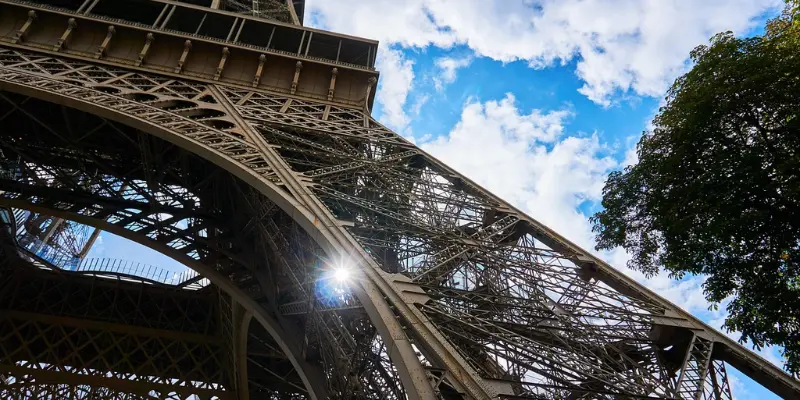
Completed for the 1889 World’s Fair, the Eiffel Tower remains Paris’s most recognizable landmark. Even if you don’t plan to go to the top, spending some time around the base allows you to appreciate its scale and architecture.
How to Get to the Eiffel Tower
The walk from Trocadéro takes approximately 10–15 minutes and offers excellent views along the way.
Recommended Time
- Around 45–60 minutes if viewing from the ground
- Around 2–3 hours if visiting the summit
Ticket Information
Visitors wanting panoramic views over Paris should reserve tickets in advance, particularly during spring and summer.
Typical ticket prices:
- Second-floor access: approximately €15–€20
- Summit access: approximately €30–€40
Photo Spot: The carousel near the tower often creates one of the most charming foreground compositions for photos.
Alternative Photo Spot: Rue de l’Université offers one of the most famous street-level views of the Eiffel Tower.
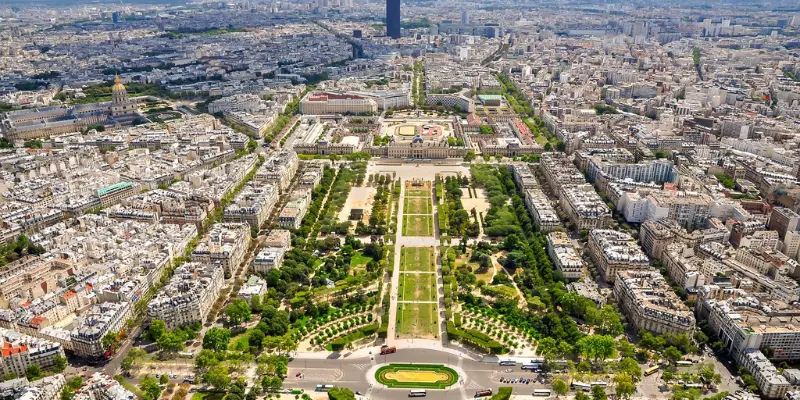
Walk Through Champ de Mars
Behind the tower sits the expansive Champ de Mars, a large public park that stretches toward the École Militaire.
The park provides some of the best ground-level views of the Eiffel Tower and is a great place for a slower walk before continuing the day. Early mornings are especially pleasant when locals are jogging and the gardens are still relatively quiet.
Recommended Time
Spend around 20–30 minutes walking through the park and enjoying the views.
Photo Spot: The central pathway creates one of the most symmetrical views of the Eiffel Tower.
Lunch at Café de l'Homme or Les Cocottes
By midday, you’ll likely be ready for a break.
Option 1: Located near Trocadéro, Café de l’Homme is known for its spectacular terrace overlooking the Eiffel Tower and is one of the most sought-after lunch spots in the area.
Option 2: For something more relaxed, Les Cocottes serves modern French cuisine in a comfortable setting just a short walk from the tower.
Recommended Time
Allow around 1–1.5 hours for lunch before continuing your sightseeing.
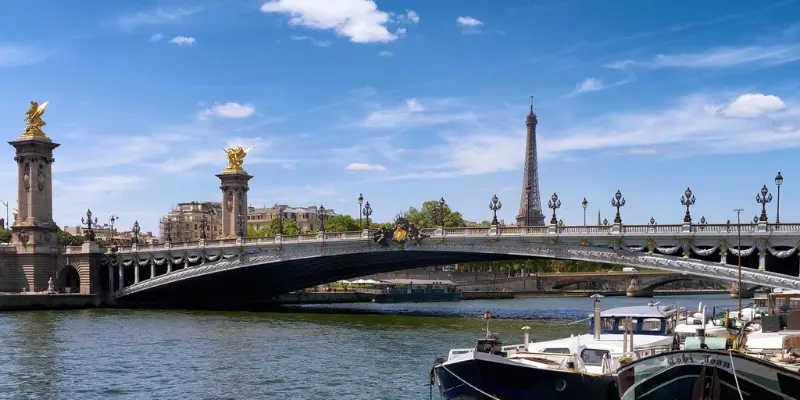
Walk Along the Seine
After lunch, follow the Seine eastward. This section of the river is one of the most enjoyable walking routes in Paris and allows you to experience the city beyond its major monuments.
The walk passes bridges, riverbanks, and viewpoints that often become some of the most memorable moments of a trip. Depending on your pace, you’ll pass several excellent photo opportunities and scenic spots to pause along the river.
Recommended Time
Allow 30–45 minutes for a leisurely walk.
Photo Spot: Pont Alexandre III is often considered one of the most beautiful bridges in Paris and makes a worthwhile detour for photos.
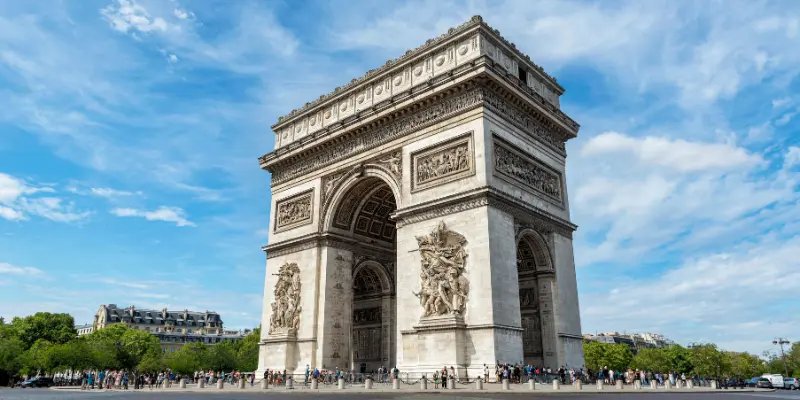
Visit the Arc de Triomphe
Your next major stop is the Arc de Triomphe, standing at the western end of the Champs-Élysées.
While impressive from street level, the real highlight is the rooftop observation deck. Many travelers consider this one of the best viewpoints in Paris because it offers direct views toward the Eiffel Tower and down the Champs-Élysées.
How to Get to the Arc de Triomphe
From the Seine area, you can either walk or take the metro to Charles de Gaulle–Étoile Station, which sits directly beneath the monument.
Recommended Time
Allow 1–1.5 hours if you plan to visit the rooftop.
Ticket Information
Entry tickets are typically around €16 for adults.
Photo Spot: The rooftop observation deck shortly before sunset.
Stroll Down the Champs-Élysées
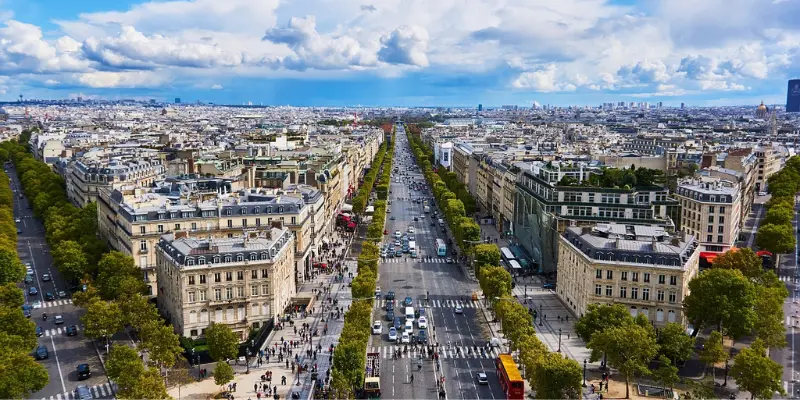
Continue along the Champs-Élysées, Paris’s most famous boulevard.
While luxury shops and flagship stores dominate much of the avenue, the experience is really about the atmosphere and the gradual walk toward Place de la Concorde.
Along the way, you’ll find cafés, pastry shops, and plenty of opportunities to take a short break before the evening activities begin.
Recommended Time
Allow 45–60 minutes for the walk.
Coffee Stop: Consider stopping at Ladurée Champs-Élysées, famous for its macarons and elegant tea rooms.
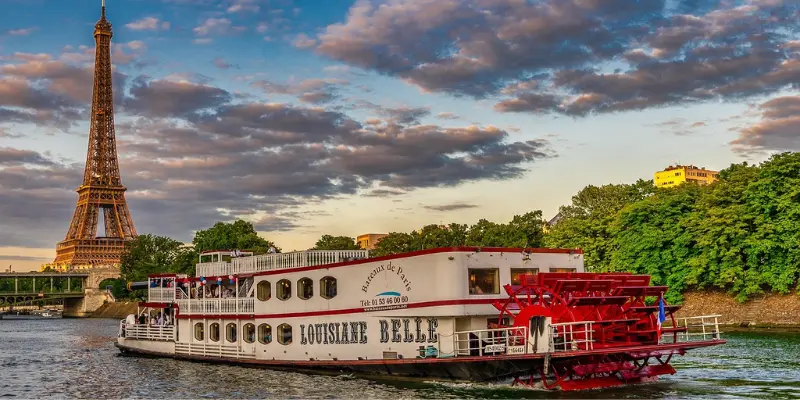
Evening Seine River Cruise
Seeing Paris from the water offers a completely different perspective.
Most cruises last around one hour and pass landmarks including the Eiffel Tower, Louvre, Musée d’Orsay, Notre-Dame, and many of the city’s historic bridges.
A sunset departure is usually the most rewarding option as the city gradually lights up around you.
Ticket Information
Standard sightseeing cruises typically cost €15–€25.
Dinner at Les Ombres
For your first dinner in Paris, Les Ombres is hard to beat.
Located on the rooftop of the Musée du Quai Branly, the restaurant offers one of the most impressive Eiffel Tower views in the city. Reservations are highly recommended, especially during peak travel seasons.
How to Get There
The restaurant is located just a short walk from the Eiffel Tower area, making it a natural stop after your river cruise.
End the Night with the Eiffel Tower Sparkle
Finish your first day back near the Eiffel Tower.
After sunset, the tower sparkles for five minutes at the beginning of every hour, creating one of the most iconic sights in Paris. Watching the lights from the Trocadéro side of the river usually provides the best overall view and a memorable ending to your first day in the French capital.
Day 2: History, Art & the Heart of Paris
Day 2 focuses on the historic center of Paris. You’ll explore world-famous museums, royal gardens, medieval landmarks, and some of the city’s most atmospheric neighborhoods. Compared to Day 1, this day is less about panoramic views and more about culture, architecture, and experiencing the historic heart of Paris.
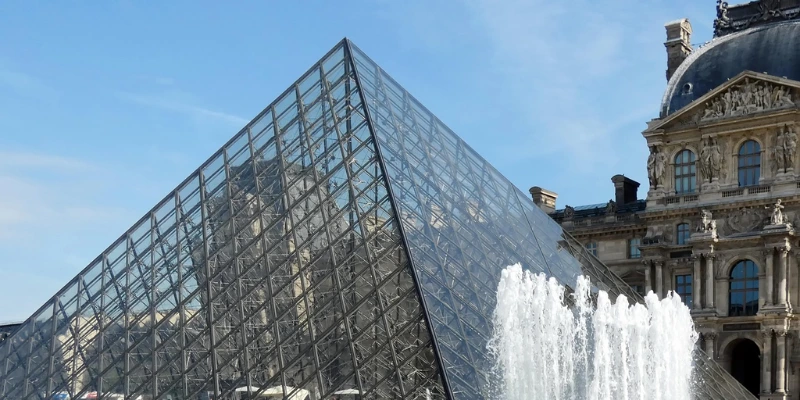
Start the Morning at the Louvre Museum
The Louvre is one of the world’s most famous museums and home to thousands of works of art, including the Mona Lisa, Venus de Milo, and Winged Victory of Samothrace. Even travelers who aren’t typically museum enthusiasts often find the Louvre impressive simply because of its scale and history.
Arriving early is highly recommended. Crowds build quickly throughout the morning, particularly around the museum’s most famous works.
How to Get to the Louvre
If you’re staying in central Paris, the Louvre is often easily reached by metro:
- Metro Line 1 or 7: Palais Royal – Musée du Louvre
- Metro Line 14: Pyramides Station (short walk)
- Bus Routes: 21, 27, 39, 68, 69, 72, 95
Recommended Time
Allow 2–4 hours depending on your interest in museums.
Ticket Information
Standard adult admission is usually €22 or €32. Under-18s can enter for free.
Prices for guided tours start from around €49.
Photo Spot: The Louvre Pyramid is one of Paris’s most recognizable photo locations. Early morning generally offers the fewest crowds.
Explore the Louvre Courtyards
Before leaving the museum complex, take a few minutes to explore areas many visitors overlook.
The Cour Carrée, located behind the main museum buildings, often feels surprisingly quiet compared to the busy pyramid entrance and provides a different perspective of the Louvre’s architecture.
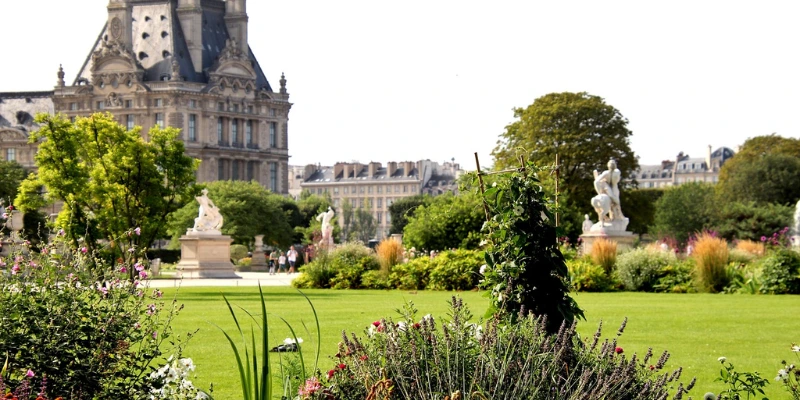
Walk Through the Tuileries Garden
Directly beside the Louvre lies the Jardin des Tuileries, one of Paris’s most elegant public gardens.
Originally designed for royalty, the gardens now provide a pleasant space to slow down between major attractions. Tree-lined pathways, fountains, sculptures, and green chairs create one of the most relaxing walks in central Paris.
How to Get There
The Tuileries Garden begins immediately outside the Louvre complex.
Recommended Time
30–45 minutes.
Photo Spot: The central fountains often create beautiful reflections, particularly on sunny mornings.
Lunch at Café Marly or Le Fumoir
Café Marly: Located directly beside the Louvre, Café Marly is known for its terrace overlooking the Louvre Pyramid. It’s one of the most scenic lunch locations in central Paris and works especially well if you want a memorable midday break.
Le Fumoir: Just across from the Louvre, Le Fumoir offers a more local atmosphere while remaining conveniently located for the afternoon itinerary.
Recommended Time
Allow around 1–1.5 hours for lunch.
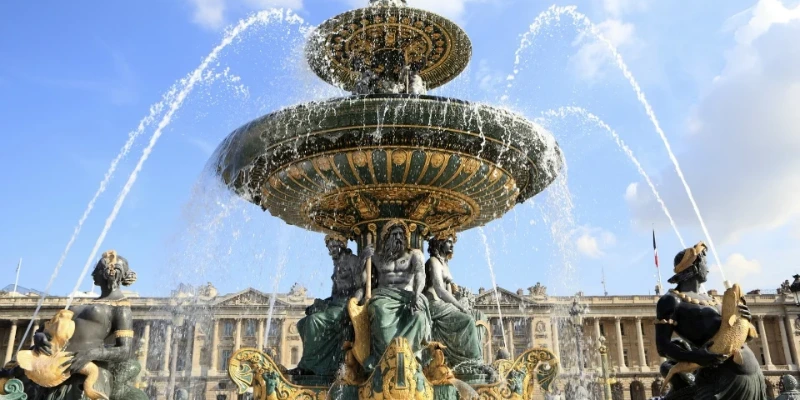
Visit Place de la Concorde
After lunch, continue west through the gardens until you reach Place de la Concorde, one of Paris’s most historic squares. Today it’s known for its fountains, monuments, and views toward both the Champs-Élysées and the Tuileries, but it also played a major role during the French Revolution.
How to Get There
From the Tuileries Garden, it’s a straightforward walk of around 10 minutes.
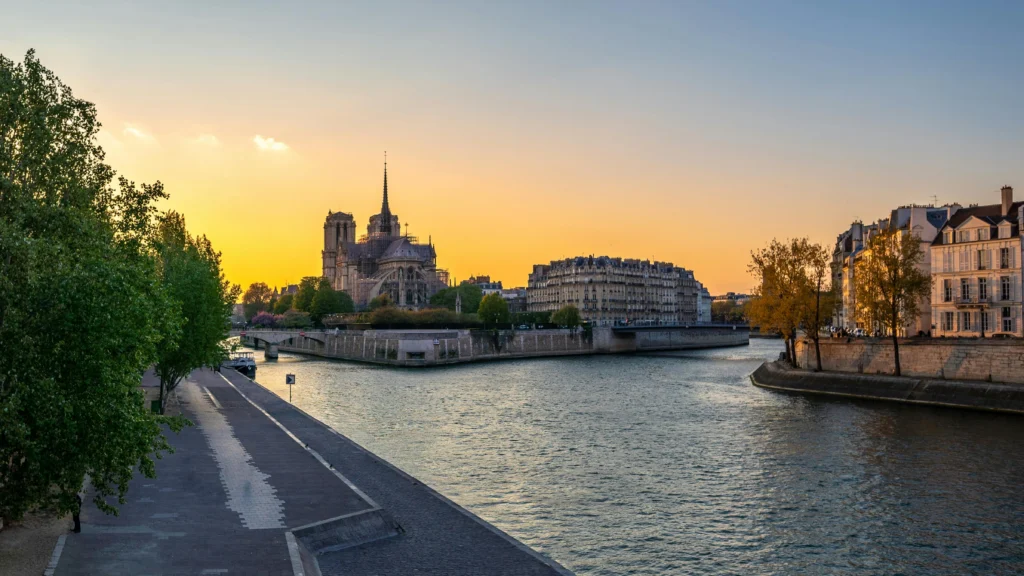
Explore Île de la Cité
Next, head toward Île de la Cité, the island where Paris was originally founded.
Walking there allows you to experience some of the city’s most beautiful riverside scenery while crossing several historic bridges.
How to Get There
From Place de la Concorde:
- Metro Line 1 to Châtelet, then short walk
- Or enjoy a scenic 25–30 minute walk along the Seine
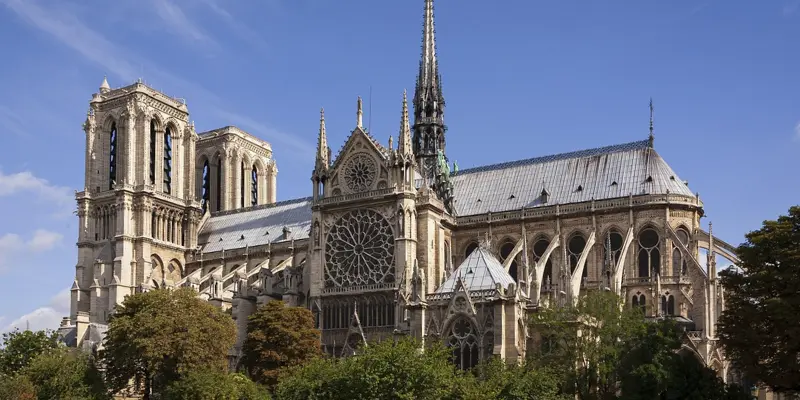
Notre-Dame Cathedral
Although Notre-Dame has undergone restoration in recent years, it remains one of Paris’s most important landmarks and a masterpiece of Gothic architecture.
Even viewing it from the outside is worthwhile thanks to its history, architecture, and setting along the Seine.
How to Get There
Located directly on Île de la Cité.
Recommended Time
30–60 minutes.
Ticket Information
Entry to Notre-Dame Cathedral is 100% free of charge. While advance booking is not mandatory to enter the cathedral, reserving a free timed-entry slot through the Notre-Dame de Paris Official Website is highly recommended to skip long wait times.
Prices for guided tours start from around €10.
Photo Spot: The small square behind the cathedral often provides excellent angles that many visitors miss.
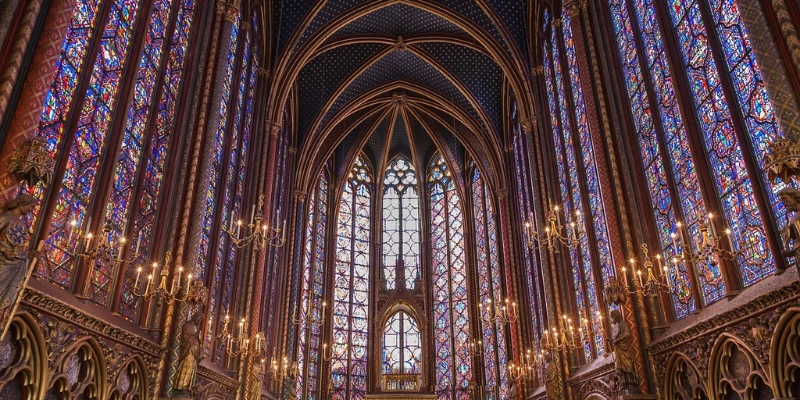
Visit Sainte-Chapelle
Often overshadowed by Notre-Dame, Sainte-Chapelle contains some of the most spectacular stained-glass windows in Europe.
On sunny days, the interior becomes filled with colorful light, creating one of the most memorable experiences in Paris.
How to Get There
A short walk from Notre-Dame.
Recommended Time
45–60 minutes.
Ticket Information
Admission is typically around €16. Prices for guided tours start from around €25.
Evening in the Latin Quarter
As the afternoon transitions into evening, continue into the Latin Quarter, one of the most historic and lively neighborhoods in Paris.
Known for its student atmosphere, bookstores, cafés, and narrow streets, it’s a great place to slow down after a day of sightseeing.
Photo Spot: The streets around Rue de la Huchette provide some of the neighborhood’s most charming scenes.
Dinner at Le Procope
Founded in 1686, Le Procope is often considered the oldest café-restaurant in Paris.
Its historic interior and classic French dishes make it a fitting place to end a day focused on Parisian history.
Reservations are recommended.
How to Get There
Located in the heart of the Latin Quarter, within walking distance of most evening stops.
Optional Evening Walk Through Saint-Germain-des-Prés
If you still have energy, finish the evening with a short walk through Saint-Germain-des-Prés.
The neighborhood’s illuminated streets, cafés, and elegant atmosphere make it one of the most enjoyable places to experience Paris after dark.
Day 3: Montmartre, Le Marais & Local Paris
After two days spent visiting many of Paris’s most famous landmarks, Day 3 slows things down and focuses on the neighborhoods that give the city much of its character. Today is less about checking attractions off a list and more about experiencing the atmosphere that makes Paris special.
You’ll explore the artistic streets of Montmartre, discover hidden corners and local boutiques in Le Marais, and spend time in areas where many visitors feel they experience the “real” Paris.
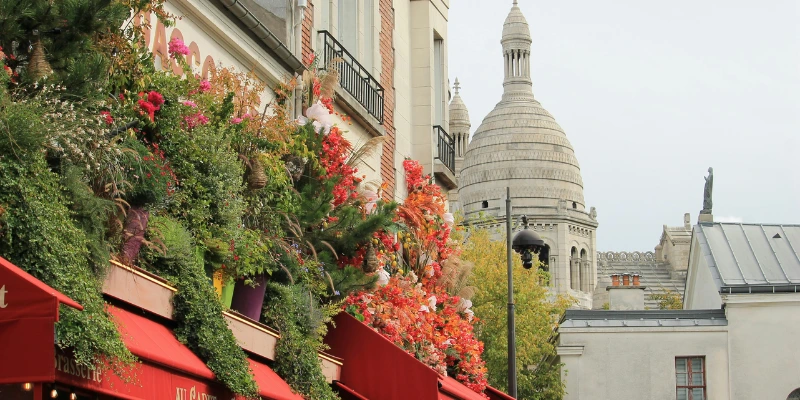
Start the Morning in Montmartre
Perched on a hill in the 18th arrondissement, Montmartre feels noticeably different from much of central Paris. Before becoming one of the city’s most visited neighborhoods, it was a village on the outskirts of Paris and became famous as a gathering place for artists, writers, and musicians.
Names such as Picasso, Renoir, Toulouse-Lautrec, and Van Gogh all spent time in or around Montmartre. While tourism has changed parts of the neighborhood, many streets still retain the charm that attracted artists more than a century ago.
The best way to experience Montmartre is simply by walking. Narrow cobblestone streets, ivy-covered buildings, hidden staircases, and small cafés appear around nearly every corner.
How to Get to Montmartre
- Metro Line 2: Anvers Station
- Metro Line 12: Abbesses Station
- Bus Routes: 30, 54, 80, 95
If arriving via Abbesses, you’ll find yourself near one of the most picturesque entrances to the Paris Metro system.
Recommended Time
Allow 2–3 hours to explore the neighborhood properly.
Photo Spot: The small side streets around Rue de l’Abreuvoir are among the most photographed in Paris and often feel surprisingly quiet compared to the area’s main tourist routes.
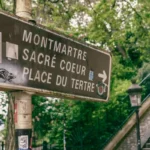
Visit Sacré-Cœur Basilica
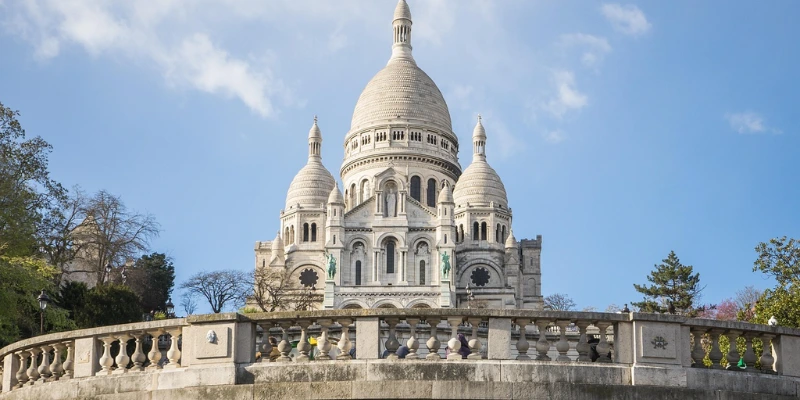
At the highest point of Montmartre sits the Basilica of Sacré-Cœur, one of Paris’s most recognizable landmarks.
Completed in 1914, the basilica is known for its distinctive white stone exterior and panoramic views across the city. While many visitors come primarily for the viewpoint, the interior is also worth seeing, featuring one of the largest mosaics in the world.
Unlike many major Paris attractions, entry to the basilica itself is free, making it one of the city’s best-value landmarks.
How to Get to Sacré-Cœur
From most parts of Montmartre, the basilica is reached on foot.
You can also use the Montmartre Funicular, which helps avoid climbing the steep staircase leading to the church.
Photo Spot: The terrace in front of the basilica offers one of the best panoramic views of Paris.
See Place du Tertre
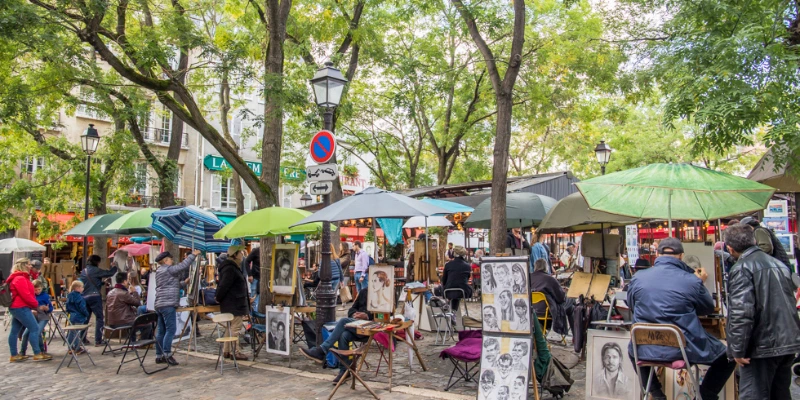
A short walk from Sacré-Cœur brings you to Place du Tertre, the historic heart of Montmartre.
This square remains closely connected to the neighborhood’s artistic heritage. Local artists display paintings and sketches throughout the day, creating an atmosphere that feels quite different from central Paris.
While it can become busy later in the day, arriving during the morning usually provides a more pleasant experience.
Recommended Time
30-60 minutes.
Coffee Break at Le Consulat
One of Montmartre’s most recognizable cafés, Le Consulat has become an attraction in its own right thanks to its historic façade and location among some of the neighborhood’s most charming streets.
Even if you simply stop for a coffee or pastry, it’s a pleasant place to take a break before continuing your exploration.
How to Get There
Located a few minutes from Place du Tertre.
Lunch at La Maison Rose
Few restaurants are photographed more often in Paris than La Maison Rose.
Its distinctive pink exterior and location on Rue de l’Abreuvoir have made it one of Montmartre’s most iconic buildings. While many visitors come for photos, it also serves traditional French cuisine in a beautiful setting.
Reservations are recommended, especially during spring and summer.
How to Get There
A short walk from both Place du Tertre and Sacré-Cœur.
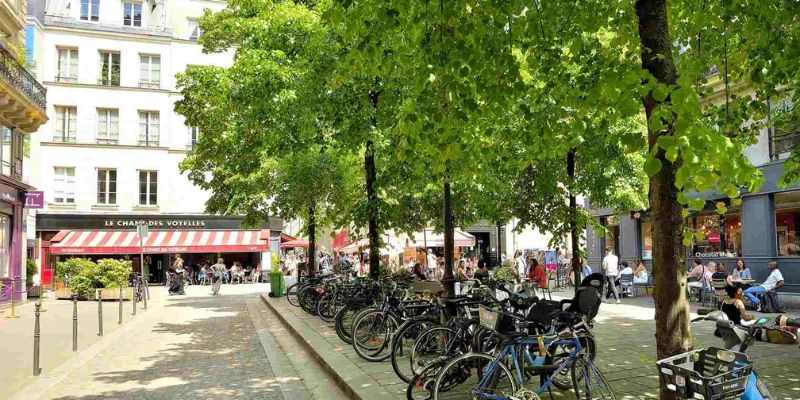
Head to Le Marais
After lunch, make your way to Le Marais, one of Paris’s most vibrant and walkable neighborhoods.
Historically, Le Marais was home to French nobility, and many of the district’s elegant mansions still survive today. Over time, the area evolved into one of the city’s most dynamic neighborhoods, known for independent boutiques, art galleries, cafés, historic architecture, and some of the best food in Paris.
Unlike the grand boulevards found elsewhere in the city, Le Marais is best explored slowly. Many of its highlights are hidden within side streets and courtyards that can easily be missed if you’re rushing.
How to Get to Le Marais
From Montmartre:
- Metro Line 12 from Abbesses to Concorde, then Line 1 to Saint-Paul
- Metro Line 2 to Nation, then Line 1 to Saint-Paul
- Taxi/Uber: approximately 15–20 minutes depending on traffic
Recommended Time
Allow 2–3 hours.
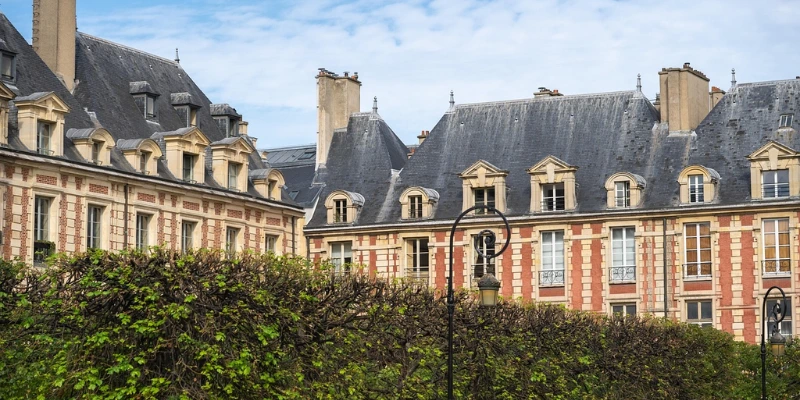
Explore Place des Vosges
One of the highlights of Le Marais is Place des Vosges, often considered Paris’s oldest planned square.
Surrounded by elegant red-brick buildings and arcaded walkways, the square provides a peaceful contrast to the busy streets nearby. Many visitors find themselves staying longer than planned simply because of how relaxing the atmosphere feels.
Victor Hugo once lived here, and his former residence can still be visited today.
Recommended Time
30–45 minutes.
Photo Spot: The symmetrical gardens and arcades make this one of the most photogenic squares in Paris.
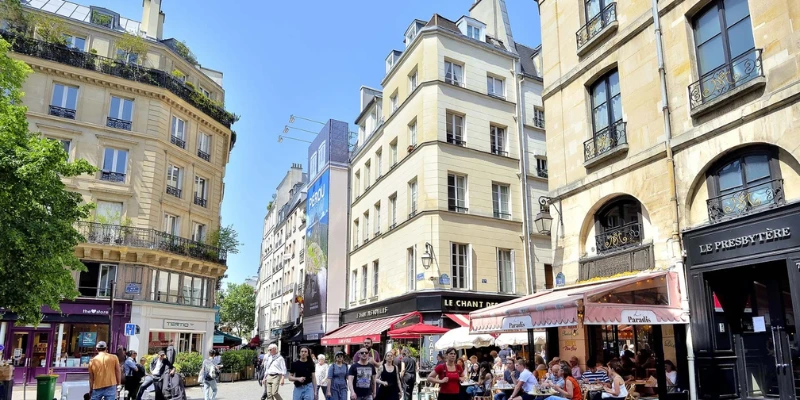
Discover Hidden Courtyards & Boutique Streets
One of the best things about Le Marais isn’t a specific attraction but the neighborhood itself.
Spend time exploring streets like:
These streets are filled with independent shops, bakeries, vintage stores, galleries, and cafés.
This is also a great opportunity to experience a side of Paris that feels more local than many of the city’s major landmarks.
Dinner at Chez Janou
For dinner, head to Chez Janou, one of Le Marais’s most popular restaurants.
Known for its Provençal-inspired cuisine and lively atmosphere, it’s a favorite among both locals and visitors. The restaurant is particularly famous for its chocolate mousse, which has become something of a local institution.
Reservations are highly recommended.
How to Get There
Located a short walk from Place des Vosges.
Nearest metro:
- Saint-Paul (Line 1)
- Bastille (Lines 1, 5, 8)
Experience Le Marais After Dark
Many visitors explore Le Marais during the day and leave before the evening atmosphere takes over. That is a mistake. As the crowds around the major attractions begin to thin out, the neighborhood starts to feel more local and relaxed.
After dinner, spend some time wandering through the streets around Rue des Rosiers, Rue Vieille du Temple, and Rue des Francs-Bourgeois. Independent boutiques stay open later than in many other parts of Paris, while wine bars, cafés, and small restaurants fill with both locals and visitors enjoying the evening.
How to Get Around
The best way to experience Le Marais at night is on foot. Most of the neighborhood’s highlights are within a short walking distance of each other.
If you’re heading back to your accommodation afterward, nearby metro stations include:
- Saint-Paul (Line 1)
- Hôtel de Ville (Lines 1 and 11)
- Chemin Vert (Line 8)
- Bastille (Lines 1, 5 and 8)
Evening Highlights
- Browse the boutiques and galleries along Rue Vieille du Temple
- Stop for a glass of wine at a local wine bar
- Enjoy the atmosphere around Place du Marché Sainte-Catherine
- Explore the quieter side streets that many daytime visitors never see
Optional Stop: Place des Vosges at Night
Before ending the evening, consider returning briefly to Place des Vosges.
While the square is beautiful during the day, it feels completely different after dark. The illuminated arcades, elegant façades, and quieter atmosphere make it one of the most peaceful places in central Paris and a fitting way to end a day spent exploring the city’s most charming neighborhoods.
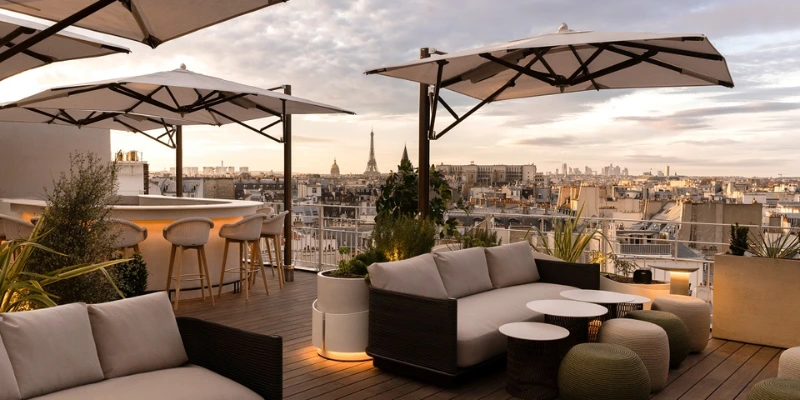
Optional: Rooftop Drinks at Hôtel Dame des Arts
If you’d like to end your third day with panoramic views over Paris, head to the rooftop terrace at Hôtel Dame des Arts.
Located near the Latin Quarter and the Seine, this rooftop has quickly become one of the city’s most popular evening spots. From the terrace, you’ll enjoy views across Paris’s rooftops, with landmarks such as the Eiffel Tower, Notre-Dame, and Montmartre visible in the distance.
The atmosphere is relaxed yet upscale, making it a great place for a sunset cocktail or a final drink after dinner.
How to Get There
From Place des Vosges:
- Metro Line 1 from Saint-Paul to Hôtel de Ville, then a short walk
- Metro Line 7 to Pont Neuf, followed by a 12-minute walk
- Bus routes serve the nearby Saint-Michel ar
Photo Spot: Arrive around sunset for some of the best rooftop views in central Paris. The terrace provides excellent opportunities to photograph Paris’s rooftops as the city transitions from day to night.
Day 4: Art, Gardens & Classic Parisian Charm
After three days of landmarks, historic neighborhoods, and iconic viewpoints, your final day in Paris is all about slowing down and enjoying the city’s artistic and elegant side. Today combines world-class art, beautiful gardens, historic streets, and some of the most charming neighborhoods in Paris.
This is the kind of day that reminds many travelers why Paris is more than just its famous landmarks.
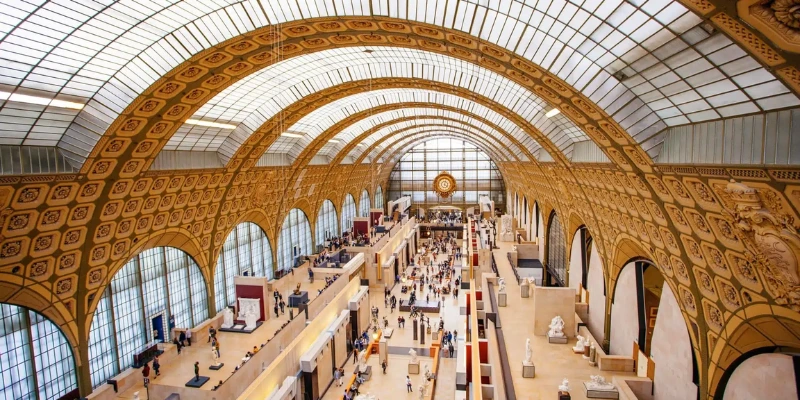
Start the Morning at Musée d'Orsay
Housed inside a magnificent former railway station on the banks of the Seine, the Musée d’Orsay is often considered the perfect complement to the Louvre. While the Louvre focuses on a vast collection spanning thousands of years, Musée d’Orsay is famous for its collection of Impressionist and Post-Impressionist masterpieces.
Inside, you’ll find works by Monet, Van Gogh, Renoir, Degas, Manet, and Cézanne, making it one of the most important art museums in the world.
Even visitors who aren’t particularly interested in art often appreciate the museum’s stunning architecture. The enormous clock windows overlooking Paris have become one of the museum’s most photographed features.
How to Get to Musée d’Orsay
- RER C: Musée d’Orsay Station
- Metro Line 12: Solférino Station
- Bus Routes: 63, 68, 69, 73, 83, 84, 94
Ticket Information
General admission is usually around €16–€39.
Walk Across Pont Royal
After leaving the museum, take a short walk along the Seine and cross Pont Royal, one of Paris’s oldest bridges.
The views from here stretch across both riverbanks and provide a final opportunity to appreciate the elegant architecture that defines central Paris.
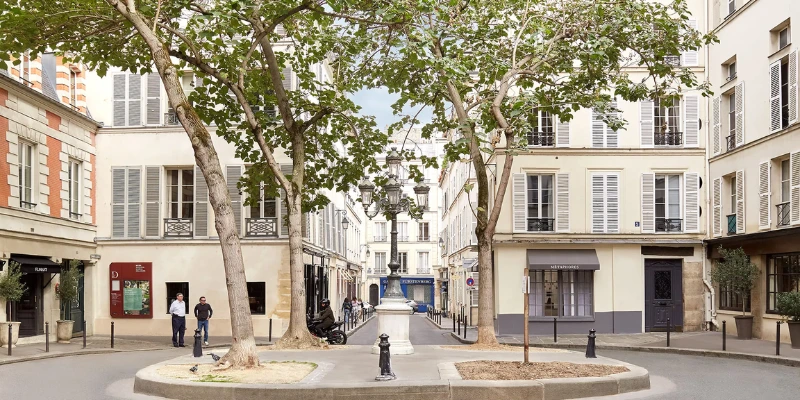
Explore Saint-Germain-des-Prés
From the river, continue into Saint-Germain-des-Prés, one of the most elegant and historically significant neighborhoods in Paris.
For decades, this area was the intellectual heart of the city. Writers, philosophers, artists, and musicians gathered here in cafés that still operate today. Figures such as Jean-Paul Sartre, Simone de Beauvoir, and Ernest Hemingway were closely associated with the neighborhood.
Today, Saint-Germain combines historic cafés, independent bookshops, art galleries, luxury boutiques, and beautiful streets lined with classic Parisian architecture.
How to Get to Saint-Germain-des-Prés
From Musée d’Orsay:
- Approximately 10–15 minutes on foot
- Metro Line 4: Saint-Germain-des-Prés Station
Recommended Time
Allow 1–2 hours to wander through the neighborhood.
Photo Spot: The streets surrounding Place Saint-Sulpice provide some of the most beautiful architectural scenes in the neighborhood.
Lunch at Café de Flore or Les Deux Magots
No visit to Saint-Germain-des-Prés feels complete without experiencing one of its legendary cafés.
Café de Flore: One of Paris’s most famous cafés, Café de Flore has been welcoming artists, writers, and intellectuals for generations. Its terrace remains one of the best places in Paris for people-watching.
Les Deux Magots: Located directly opposite Café de Flore, Les Deux Magots is equally historic and has hosted many of France’s most influential literary and artistic figures.
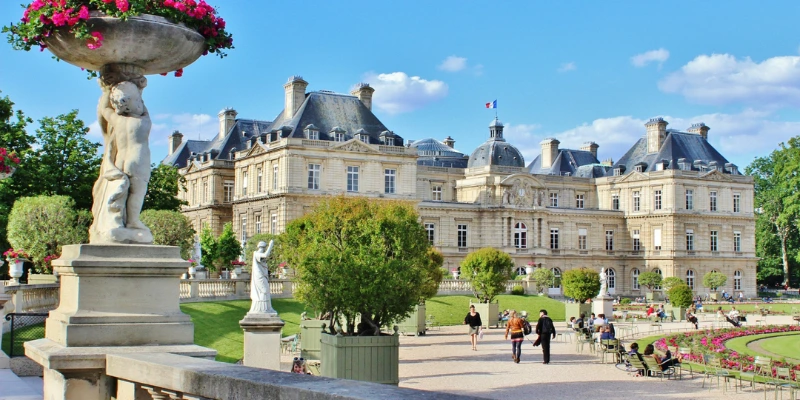
Relax in Luxembourg Gardens
After lunch, head south to the Luxembourg Gardens, one of the most beautiful green spaces in Paris.
Originally created for Marie de’ Medici in the early 17th century, the gardens cover more than 20 hectares and feature tree-lined promenades, fountains, flowerbeds, sculptures, and the impressive Luxembourg Palace.
Unlike some of Paris’s busier attractions, the gardens provide an opportunity to slow down and enjoy a quieter side of the city.
How to Get to Luxembourg Gardens
- Approximately 15–20 minutes on foot from Saint-Germain-des-Prés
- RER B: Luxembourg Station
- Several bus routes stop nearby
Photo Spot: The central fountain and Luxembourg Palace create one of the most picturesque scenes in the city.
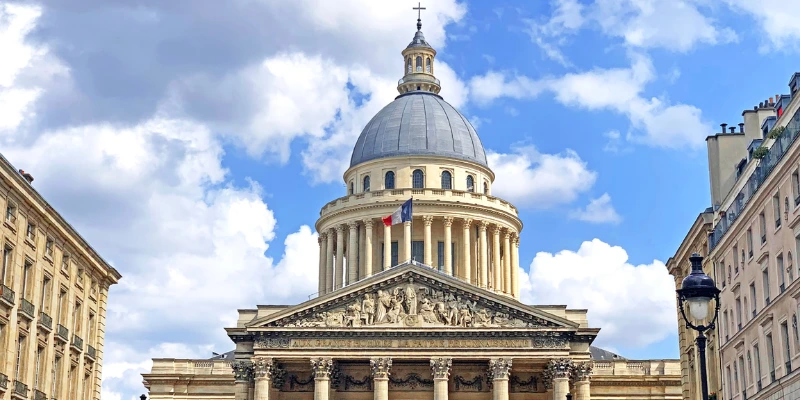
Visit the Panthéon
A short walk from the gardens brings you to the Panthéon, one of Paris’s most important monuments.
Originally built as a church, it now serves as a mausoleum honoring some of France’s most influential figures, including Voltaire, Rousseau, Victor Hugo, Marie Curie, and Alexandre Dumas.
The building’s enormous dome dominates the skyline of the Latin Quarter and offers fascinating insight into French history.
How to Get to the Panthéon
- Around 10 minutes on foot from Luxembourg Gardens
- RER B: Luxembourg Station
- Metro Line 10: Cardinal Lemoine
Ticket Information
Photo Spot: The square in front of the monument offers excellent views of the Panthéon’s impressive dome.
Dinner at Les Antiquaires
For your final evening in Paris, enjoy dinner at Les Antiquaires, a classic Parisian bistro known for traditional French dishes and a welcoming atmosphere.
Its central location makes it a convenient choice after a day spent exploring the Left Bank.
Reservations are recommended during busy travel periods.
How to Get There
- Metro Line 12: Solférino
- Walking distance from Musée d’Orsay
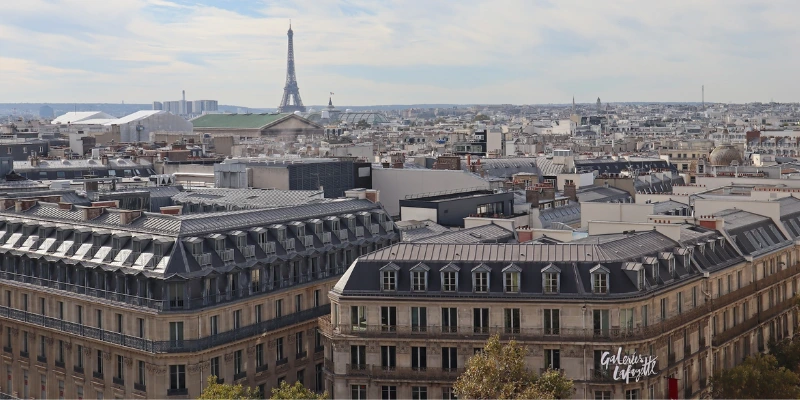
End Your Trip at Galeries Lafayette Rooftop
Finish your Paris adventure with one last panoramic view.
While many visitors know Galeries Lafayette for shopping, fewer realize that its rooftop terrace offers one of the best free viewpoints in the city. From here, you can spot landmarks including the Eiffel Tower, Opéra Garnier, Montmartre, and much of central Paris.
It’s a fitting place to reflect on four days spent exploring one of the world’s most beautiful cities.
How to Get There
- Metro Lines 7 and 9: Chaussée d’Antin – La Fayette
- Metro Line 3: Havre-Caumartin
- Numerous bus routes serve the area
Essential Paris Travel Tips
A little preparation goes a long way in Paris. Understanding how transportation works, where to stay, and which attractions require advance reservations can make your trip significantly smoother and help you avoid common mistakes that first-time visitors often make.
Getting to Paris from the Airport
Paris is served by two major airports: Charles de Gaulle Airport (CDG) and Orly Airport (ORY).
From Charles de Gaulle Airport (CDG) the most popular option is the RER B train, which connects the airport directly to central Paris in approximately 30–40 minutes.
Other options include: Airport buses, Taxis, Uber, Private transfers
A taxi from CDG to central Paris typically costs between €55–€70 depending on your destination.
From Orly Airport (ORY): Orly is located closer to the city center and is connected by: Metro Line 14, Orlyval shuttle, Airport buses, Taxi and rideshare services Travel times usually range between 25–40 minutes depending on your final destination.
Which Airport Is Better?
For most international visitors, Charles de Gaulle is the primary gateway into Paris. Orly is often used for domestic and European flights and can offer a slightly quicker transfer into the city.
Getting Around in Paris
Paris is one of the easiest major cities in Europe to explore without a car. Most of the attractions included in this itinerary are connected by an excellent public transportation network, and many neighborhoods are best explored on foot.
The city’s compact center means you’ll often spend as much time walking between nearby attractions as you would navigating public transport. That’s why this itinerary groups attractions by neighborhood whenever possible.
For most visitors, a combination of the Metro and walking is the most efficient way to get around.
Metro vs Uber
The Paris Metro is usually the fastest and most affordable option for moving around the city. With 16 lines and hundreds of stations, it reaches virtually every area you’ll need during your trip.
A single ticket costs around €2.50, while multi-day transport passes can offer better value if you plan to use public transportation frequently.
Uber is widely available throughout Paris and can be useful early in the morning, late at night, or when traveling with luggage. However, traffic can become heavy during peak hours, often making the Metro the quicker option.
Where to Stay in Paris
For a first trip to Paris, staying in a central neighborhood makes the biggest difference. You’ll spend less time crossing the city and more time actually enjoying it, especially during early mornings or after long sightseeing days.
Le Marais is one of the best all-around areas for this itinerary. It’s central, lively, and well connected, while still feeling distinctly Parisian. You’ll find cafés, bakeries, boutique shops, and several metro lines within easy reach. If you want a stylish boutique stay, Hôtel du Petit Moulin is a strong option with plenty of character. For something slightly more mid-range, Hôtel Emile Le Marais works particularly well thanks to its location near restaurants and transport.
The Latin Quarter is ideal if you want a more historic atmosphere. Located close to the Seine, Notre-Dame, and the Panthéon, it makes exploring central Paris easy while offering quieter side streets and a more local feel in parts. Hôtel des Grands Hommes is a great option for travelers wanting classic Paris charm, while Select Hotel Paris offers a comfortable stay within walking distance of several major sights.
If cafés, elegant streets, and a slower pace are more your style, Saint-Germain-des-Prés is one of the city’s most classic neighborhoods. It feels refined without being overly touristy and works especially well for couples or travelers wanting a more traditional Paris atmosphere. Hôtel d’Aubusson is one of the area’s standout stays, while Millésime Hôtel offers a smaller boutique experience in an excellent location.
If you’re still deciding, choosing accommodation near a metro station usually matters more than staying directly beside a major attraction.
Book Major Attractions in Advance
One of the biggest mistakes first-time visitors make is assuming they can purchase tickets on the day of their visit.
Paris’s most popular attractions regularly sell out, especially during spring and summer.
Consider booking the following in advance:
Booking ahead not only helps secure your preferred timeslot but can also save valuable vacation time by reducing queues.
Understanding French Café Culture
One of the simplest ways to experience Paris is by spending time in its cafés.
Unlike in many countries where coffee shops are primarily places to grab a drink and leave, Parisian cafés are social spaces designed for lingering. It’s completely normal to order a coffee and spend an extended period people-watching, reading, or simply enjoying the atmosphere.
You’ll also notice that terrace seating is often the most desirable area, especially on sunny days.
A few helpful tips:
- Greet staff with a simple “Bonjour” when entering.
- Don’t feel rushed to leave after finishing your drink.
- Terrace seating may sometimes have slightly different pricing.
- Tipping is appreciated but not expected in the same way as in North America since service is already included.
Experiencing a traditional Parisian café is every bit as much a part of visiting Paris as seeing its famous landmarks.
Best Time to Visit Paris
Paris is a destination that can be enjoyed throughout the year, but the experience changes noticeably with the seasons. For most first-time visitors, spring and fall offer the best balance of pleasant weather, manageable crowds, and a lively atmosphere.
Spring is often considered one of the most beautiful times to visit. As temperatures begin to warm up, parks and gardens come back to life, outdoor café terraces fill with people, and the city feels particularly vibrant. Walking through places like the Luxembourg Gardens or along the Seine is especially enjoyable during April and May, which is why many travelers consider late spring the ideal time for a first trip to Paris.
Summer brings long daylight hours and a busy energy to the city. The weather is generally excellent for sightseeing, dining outdoors, and spending evenings exploring neighborhoods such as Montmartre or Le Marais. The trade-off is that this is also the most popular time to visit, meaning larger crowds at major attractions and higher hotel prices. If you’re planning a summer trip, booking accommodations and attraction tickets well in advance is highly recommended.
As summer fades, Paris enters one of its most underrated seasons. Early fall combines comfortable temperatures with slightly fewer visitors, making September and October particularly appealing. The city’s parks begin to take on autumn colors, outdoor dining remains enjoyable, and many travelers find sightseeing more relaxed than during the peak summer months.
Winter offers a different side of Paris altogether. While the weather is cooler and the days are shorter, you’ll generally find fewer tourists and, outside of the holiday period, more affordable hotel rates. December is especially atmospheric thanks to festive decorations, Christmas markets, and illuminated shopping streets that give the city a unique charm.
If you’re flexible with your travel dates, April, May, September, and October are usually the best months to visit Paris. These periods combine comfortable weather, beautiful scenery, and a more balanced level of tourism, making them ideal for following this itinerary.