

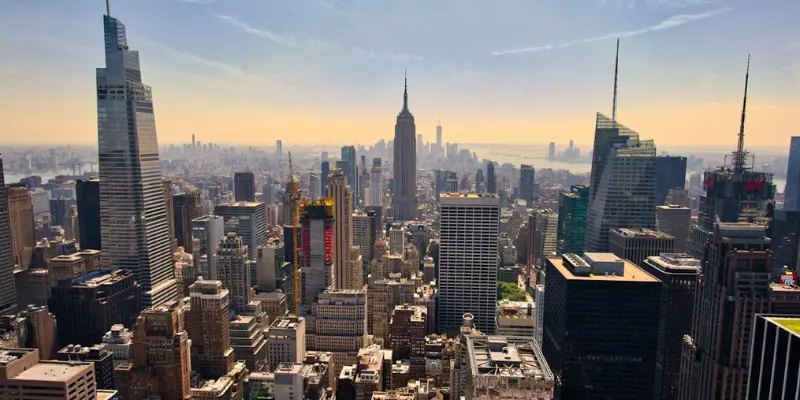
New York City, often called the Big Apple, is the largest city in the United States and one of the most iconic destinations in the world. Known for its vibrant culture, towering skyscrapers, historic landmarks, and diverse neighborhoods, NYC attracts millions of travelers every year. Whether you’re visiting for world-class museums, Broadway shows, iconic architecture, or unparalleled food, the city offers something for every type of traveler.
Overview of the City
NYC is made up of five boroughs — Manhattan, Brooklyn, Queens, The Bronx, and Staten Island — each with its own unique character:
- Manhattan: The heart of NYC and home to Times Square, Central Park, the Empire State Building, and major cultural institutions like the MET and MoMA.
- Brooklyn: Known for its arts scene, brownstones, Brooklyn Bridge views, and trendy neighborhoods like Williamsburg and DUMBO.
- Queens: The most ethnically diverse borough, home to Citi Field, Flushing Meadows, and major international airports (JFK & LaGuardia).
- The Bronx: Famous for Yankee Stadium, the Bronx Zoo, and the birthplace of hip-hop culture.
- Staten Island: Offers scenic parks, the Staten Island Ferry, and quieter neighborhoods with fewer tourists.
Together, these boroughs span over 300 square miles and provide a mix of urban energy, green spaces, cultural landmarks, and local neighborhoods waiting to be explored.
Why Visit NYC
NYC is a global hub for business, culture, and entertainment. Travelers are drawn to the city for its world-famous attractions, including the Statue of Liberty, Empire State Building, Times Square, and Broadway theaters. Beyond the iconic sights, the city also offers a diverse culinary scene, vibrant nightlife, and countless opportunities for shopping and sightseeing.
When to Visit
The best time to visit NYC depends on your preferences:
- Spring (March–May): Mild temperatures, blooming parks, fewer crowds.
- Summer (June–August): Warm weather, outdoor festivals, and bustling streets, though it can be hot and humid.
- Fall (September–November): Crisp air, beautiful autumn foliage, and a great time for photography.
- Winter (December–February): Holiday decorations, ice skating, and occasional snow; some attractions may have shorter hours.
Each season offers a unique experience, from summer rooftop bars to magical holiday displays in December.
Planning Your Trip
Visiting New York City for the first time can feel overwhelming. With so many neighborhoods, attractions, and cultural experiences, careful planning ensures a smooth and enjoyable trip. This section covers everything you need to know before arriving, including trip length, visa requirements, budget considerations, and money-saving tips.
How Long Should You Spend in NYC?
The ideal trip length depends on how much you want to see and do:
- 3 days: Perfect for first-time visitors focusing on Manhattan highlights, Times Square, Central Park, and a museum or two.
- 5 days: Allows exploration of multiple boroughs, iconic attractions like the Statue of Liberty, Brooklyn Bridge, and a day trip to nearby areas.
- 7+ days: Great for an in-depth experience, including off-the-beaten-path neighborhoods, cultural events, and food tours.
For most travelers, 5 days is a balanced itinerary, giving time to see key landmarks without feeling rushed.
Visa & Entry Requirements
International visitors should check the requirements for entering the United States:
- Visa Waiver Program (VWP): Citizens of eligible countries can visit for up to 90 days without a visa using an approved ESTA.
- Tourist Visa (B-2): Required for visitors from countries not eligible for the VWP.
- Always check the latest travel advisories, entry restrictions, and documentation requirements before booking your trip.
U.S. customs and immigration can be strict, so ensure passports and travel documents are valid and up-to-date.
Suggested Budget & Typical Costs
New York City is often considered one of the most expensive cities in the U.S., but with careful planning, it can fit a range of budgets. Typical expenses include:
| Category | Budget Range (per day) |
|---|---|
| Accommodation | $150–$400+ (mid-range hotels in Manhattan) |
| Meals | $10–$25 (casual), $50+ (fine dining) |
| Transportation | $2.90 per subway ride, taxis $15–$50 per trip |
| Attractions | $25–$40 per museum/observatory; CityPass saves on multiple sites |
Tip: Accommodation costs can drop significantly in Brooklyn or Queens, while staying in Manhattan offers the advantage of walking distance to many landmarks.
Money-Saving Tips for NYC
Even first-time visitors can enjoy the city without breaking the bank:
- Use Public Transport: The subway is fast, affordable, and covers all boroughs.
- City Passes: Consider the New York Pass or CityPASS to save on top attractions.
- Free Attractions: Central Park, Brooklyn Bridge, Staten Island Ferry, and High Line are all free.
- Eat Smart: Try delis, food trucks, and ethnic neighborhoods for authentic meals at lower prices.
- Plan Ahead: Booking tickets online for museums, shows, or observatories often saves money and avoids long lines.
By combining public transport with careful planning, it’s possible to experience NYC on a moderate budget while still enjoying the best attractions.
When to Book
- Flights: Book 2–3 months in advance for the best fares, especially during peak summer or holiday seasons.
- Hotels: Reserve accommodations early, particularly in Manhattan, as popular neighborhoods sell out quickly.
- Tours & Shows: Broadway tickets and guided tours should be booked in advance to ensure availability and often come with online discounts.
Getting There & Getting Around
New York City is one of the easiest major cities in the world to navigate thanks to its extensive public transportation system, walkable streets, and multiple international airports. Understanding how to arrive and move around efficiently can save time and help visitors explore more of the city.
Airports Serving New York City
New York City is served by three major airports:
- John F. Kennedy International Airport (JFK) – the primary airport for international flights and located in Queens.
- LaGuardia Airport (LGA) – closer to Manhattan and mainly used for domestic flights.
- Newark Liberty International Airport (EWR) – located in New Jersey but still part of the New York metropolitan area and often used for both domestic and international travel.
Each airport is connected to Manhattan and other boroughs by public transportation, taxis, and private shuttles.
Getting from the Airport to Manhattan
JFK Airport
- Travelers can take the AirTrain JFK to Jamaica or Howard Beach stations and connect to the subway or Long Island Rail Road (LIRR).
- The AirTrain charges a separate fee to enter or exit the system, while travel between terminals is free.
LaGuardia Airport
- LaGuardia does not have a subway station, but the free Q70 LaGuardia Link bus connects the airport to nearby subway lines, making it one of the most straightforward and affordable ways to reach Manhattan.
Newark Airport
- Newark Liberty is connected to New York by AirTrain Newark, which links to NJ Transit trains running to Penn Station in Manhattan.
Travelers can also choose taxis, rideshare services, or pre-booked airport transfers, but public transport is often the fastest during peak traffic hours.
Public Transportation in NYC
New York’s public transit system is operated by the Metropolitan Transportation Authority (MTA) and includes subways, buses, commuter trains, and ferries. The subway is the most popular option for both locals and tourists because it runs 24 hours a day and covers all five boroughs.
As of 2026, the city has transitioned to OMNY, a contactless payment system that allows riders to pay using a credit card, smartphone, or dedicated transit card by tapping at the turnstile.
This system replaces the older MetroCard and simplifies travel by eliminating the need to purchase separate tickets.
Using the Subway
The subway is the fastest way to travel across Manhattan and between boroughs. Trains run frequently during the day and continue operating overnight, although with reduced frequency late at night.
Key tips for first-time riders:
- Follow the direction signs (Uptown, Downtown, or borough name).
- Express trains skip certain stations, so always check whether your stop is listed.
- Transfers between subway lines are usually free within the system.
NYC’s subway map can look complicated at first, but once understood, it is one of the most efficient ways to move around the city.
Buses, Ferries, and Other Options
While the subway is often the fastest choice, buses are useful for shorter distances or areas without nearby subway stations. NYC also operates ferries that connect parts of Manhattan, Brooklyn, Queens, and Staten Island, offering scenic views of the skyline and harbor.
The Staten Island Ferry, in particular, is popular with visitors because it provides free views of the Statue of Liberty and Lower Manhattan.
Taxis, Rideshares & Walking
New York City’s yellow taxis are iconic and easy to find, especially in Manhattan. Rideshare services such as Uber and Lyft are also widely available. However, traffic congestion can make car travel slower than the subway during peak hours.
Many of NYC’s major attractions are located within walking distance of each other, especially in Midtown and Lower Manhattan. Walking is often the best way to explore neighborhoods, discover local shops, and experience the city’s atmosphere.
Navigation Apps & Maps
To make navigating NYC easier, visitors should consider using:
- Google Maps or Apple Maps for real-time transit directions
- The official MTA app for subway service updates and route planning
These tools help travelers avoid delays, find the fastest routes, and plan transfers more efficiently.
Top Attractions & Things to Do
New York City offers an incredible range of attractions, from world-famous landmarks and museums to vibrant neighborhoods and unique local experiences. Whether it’s your first visit or a return trip, the city’s mix of history, culture, and entertainment ensures there is always something new to discover.
Manhattan Highlights
One of the most recognizable landmarks is the
Statue of Liberty, a symbol of freedom and one of the most visited sites in the United States. Ferries depart from Battery Park to Liberty Island and nearby Ellis Island.
Another must-see is the
Empire State Building, which offers panoramic views from its observation decks. Visitors can also enjoy skyline views from
Top of the Rock, located in Rockefeller Center.
No trip to NYC is complete without walking through
Times Square, especially in the evening when the neon billboards illuminate the entire area. Nearby, travelers can explore the green oasis of
Central Park, which stretches for more than 800 acres and offers walking paths, lakes, and famous spots like Bethesda Terrace.
Brooklyn Highlights
Across the East River, Brooklyn offers a different perspective of the city, with a creative atmosphere, waterfront parks, and stunning skyline views.
Walking across the historic
Brooklyn Bridge is one of the most popular activities in NYC. The bridge connects Lower Manhattan with the charming neighborhood of
DUMBO, where cobblestone streets and converted warehouses create one of the most photogenic areas in the city.
Nearby, the
Brooklyn Heights Promenade offers one of the best free views of the Manhattan skyline and New York Harbor.
Museums & Cultural Institutions
New York City is home to some of the best museums in the world. Art lovers should not miss the Metropolitan Museum of Art (often called the MET), which houses vast collections spanning ancient civilizations to modern art.
Another popular museum is the
Museum of Modern Art, featuring works by artists such as Picasso, Van Gogh, and Warhol. Families often enjoy visiting the
American Museum of Natural History, known for its dinosaur fossils, space exhibits, and interactive displays.
Unique NYC Experiences
Beyond traditional sightseeing, New York City offers a range of memorable experiences. Visitors can take a scenic cruise around Manhattan with Circle Line Sightseeing Cruises, providing views of the Statue of Liberty, Brooklyn Bridge, and the skyline from the water.
Another popular activity is attending a show in the Broadway theater district, where world-class musicals and plays are performed daily. Seeing a Broadway performance is often considered one of the most iconic cultural experiences in NYC.
For a different perspective of the city, helicopter tours depart from Downtown Manhattan and offer aerial views of landmarks such as Central Park, the Empire State Building, and the Hudson River.
New York City Photo Spots
New York City is one of the most photographed cities in the world, offering endless opportunities for striking travel photos. Some of the most popular photography locations include:
- DUMBO – famous for the view of the Manhattan Bridge framed between historic buildings on Washington Street.
- Top of the Rock – ideal for skyline photos that include the Empire State Building.
- Central Park – beautiful in all seasons, especially during autumn foliage and spring cherry blossoms.
- Brooklyn Bridge – sunrise and sunset walks provide dramatic skyline shots.
- Staten Island Ferry – offers free views of the Statue of Liberty and Lower Manhattan skyline from the water.
These locations are especially popular on social media, but they are also worth visiting simply for the views and atmosphere.
Food & Dining
New York City is one of the best food destinations in the world, offering an incredible variety of cuisines shaped by generations of immigrants and local culinary innovation. From street food to Michelin-starred restaurants, the city’s dining scene reflects its cultural diversity and fast-paced lifestyle.
Visitors can find everything from classic American comfort food to authentic international dishes in neighborhoods across all five boroughs.
Iconic Foods to Try in NYC
New York City is known for several signature dishes that have become famous worldwide. Trying these local specialties is an essential part of the travel experience.
- New York-style pizza – thin, foldable slices with a crisp crust, often sold by the slice in pizzerias throughout the city.
- Bagels with cream cheese – traditionally boiled before baking, giving them a chewy texture and glossy crust.
- Hot dogs – sold from street carts and stands, especially in busy areas like Times Square and near Central Park.
- Cheesecake – New York cheesecake is known for its dense, creamy texture and rich flavor.
- Pastrami and deli sandwiches – a staple of classic Jewish delis, often served on rye bread with mustard.
These dishes represent just a small part of NYC’s culinary identity, but they are among the most recognizable and widely recommended for first-time visitors.
Best Neighborhoods for Food
Because New York City is so diverse, different neighborhoods are known for specific cuisines and dining experiences
Chinatown is famous for its authentic Chinese restaurants, dim sum spots, and bakeries. Visitors can explore traditional markets and enjoy affordable meals in a lively atmosphere.
Just north of Chinatown,
Little Italy offers Italian restaurants, cafés, and pastry shops. Although smaller than it once was, it remains a popular area for pasta, espresso, and classic desserts like cannoli.
In
Williamsburg, travelers will find trendy cafés, food markets, and modern restaurants reflecting the borough’s creative energy. This area is particularly popular for brunch and contemporary dining experiences.
Fine Dining & Michelin-Star Restaurants
New York City is home to more Michelin-starred restaurants than any other city in the United States. Visitors looking for high-end dining can choose from a wide range of cuisines, including French, Japanese, Italian, and modern American.
While fine dining in NYC can be expensive, many restaurants offer lunch menus or pre-theater specials that allow travelers to experience upscale cuisine at a lower price than dinner service.
Reservations are strongly recommended, especially for well-known restaurants in Manhattan.
Street Food & Casual Dining
One of the most enjoyable ways to experience NYC’s food culture is by trying its street food and casual dining options. Food trucks, carts, and small take-out restaurants are found throughout the city, offering quick and affordable meals.
Popular street food options include:
- Halal carts serving chicken and rice with white sauce
- Pretzels and roasted nuts sold from sidewalk vendors
- Tacos, dumplings, and other international street foods in busy neighborhoods
Food halls such as
Chelsea Market bring together multiple vendors under one roof, allowing visitors to sample different cuisines in one location.
Food Markets & Culinary Experiences
Beyond restaurants, New York City offers several markets and food-focused experiences that provide a deeper look into local food culture.
Markets and food halls are popular places to explore:
- Chelsea Market – a historic indoor market with bakeries, seafood counters, and international food vendors.
- Smorgasburg in Brooklyn – a seasonal outdoor food market featuring dozens of local vendors and creative street food dishes.
Food tours are also widely available and can be a great way for first-time visitors to learn about the city’s culinary history while sampling dishes from multiple neighborhoods.
Dining Etiquette & Tipping
Dining in New York City usually involves tipping, which is an important part of the service industry in the United States. In most restaurants, a tip of 15–20% of the total bill is considered standard for good service.
At casual counter-service spots or cafés, tipping is appreciated but typically optional. Understanding local tipping customs helps visitors avoid confusion and ensures a smooth dining experience.
Shopping
New York City is one of the world’s top shopping destinations, offering everything from luxury designer boutiques and flagship department stores to vintage markets and independent local shops. Whether you’re looking for high-end fashion, souvenirs, or unique handmade goods, NYC provides shopping experiences for every budget and style.
Fifth Avenue: Luxury & Flagship Stores
One of the most famous shopping streets in the world is
Fifth Avenue, located in Midtown Manhattan. This iconic avenue is lined with luxury brands, flagship stores, and elegant window displays, making it a popular stop even for visitors who are just browsing.
Shoppers can find major international brands, upscale jewelry stores, and department stores such as
Saks Fifth Avenue, which is especially known for its elaborate holiday window decorations during the winter season
Department Stores & Shopping Malls
For a traditional department store experience,
Macy’s Herald Square is one of the largest stores of its kind in the world. It spans multiple floors and offers clothing, cosmetics, home goods, and souvenirs all in one place.
Another modern shopping destination is
The Shops at Hudson Yards, where visitors can combine shopping with dining and nearby attractions like the Vessel and the High Line.
SoHo: Trendy Boutiques & Designer Stores
The neighborhood of
SoHo is known for its cobblestone streets, cast-iron buildings, and a mix of luxury boutiques and independent fashion stores. This area is particularly popular among fashion-conscious travelers and those looking for unique or limited-edition items.
SoHo also features art galleries, cafés, and concept stores, making it an enjoyable area to explore even without a strict shopping plan.
Brooklyn Flea & Vintage Shopping
For travelers interested in vintage clothing, antiques, and handmade goods,
Brooklyn Flea is one of the city’s best-known markets. Held on weekends in different locations depending on the season, the market features local vendors selling vintage fashion, vinyl records, handmade jewelry, and collectible items.
Vintage shops can also be found throughout Williamsburg and other parts of Brooklyn, where smaller independent stores offer carefully curated second-hand clothing and retro pieces.
Souvenirs & Unique NYC Gifts
Visitors looking for memorable souvenirs will find countless options throughout the city, from museum gift shops to small local boutiques. Popular items include:
- NYC-themed clothing and accessories
- Art prints and photography of the skyline
- Food souvenirs such as local chocolates, bagels, or specialty snacks
Shops around
Times Square and major attractions tend to focus on tourist-oriented souvenirs, while neighborhoods like SoHo and Brooklyn offer more unique and locally made products.
Shopping Tips for Visitors
Shopping in New York City can be exciting but also overwhelming due to the sheer number of options. A few tips can help make the experience smoother:
- Plan your route – Group nearby shopping areas together to avoid unnecessary travel time.
- Check store hours – Many stores stay open late, but smaller boutiques may close earlier.
- Be aware of sales tax – Prices displayed in stores usually do not include sales tax, which is added at checkout.
Many stores also offer seasonal sales, particularly after major holidays and during the summer, which can be a great opportunity to find discounts on clothing and accessories.
Nightlife & Entertainment
New York City is often called “the city that never sleeps,” and its nightlife is one of the main reasons why. From Broadway shows and rooftop bars to live music and late-night dining, NYC offers entertainment options for every type of traveler and every schedule.
Whether you prefer cultural experiences, relaxed evening strolls, or vibrant nightlife scenes, the city provides countless ways to enjoy your nights after a full day of sightseeing.
Broadway & Theater District
One of the most iconic evening experiences in New York City is attending a show in
Broadway. Located in Midtown Manhattan near
Times Square, Broadway is home to world-famous musicals, plays, and theatrical productions.
Visitors can choose from long-running classics as well as newly released performances. Watching a Broadway show is considered one of the most memorable cultural experiences in NYC and is often a highlight of many trips.
For travelers looking to save money, discounted same-day tickets are sometimes available at the TKTS Times Square booth.
Rooftop Bars & Skyline Views
New York City’s skyline becomes even more impressive at night, and rooftop bars provide some of the best places to enjoy the view while relaxing with a drink. Many hotels and high-rise buildings offer rooftop lounges overlooking landmarks such as
Empire State Building and One World Trade Center.
Popular rooftop areas can be found in neighborhoods such as Midtown, Lower Manhattan, and Brooklyn, where visitors can enjoy sunset views followed by the illuminated skyline.
Live Music & Concert Venues
New York City has a long and influential history in music, and visitors can find live performances every night of the week. From jazz clubs and indie music venues to large concert arenas, the city caters to a wide range of musical tastes.
In areas like
Greenwich Village, travelers can discover historic jazz clubs and intimate venues that have hosted legendary musicians for decades.
For larger performances, venues such as
Madison Square Garden host major concerts, sporting events, and entertainment shows throughout the year.
Live Music & Concert Venues
Even after dark, many of New York City’s major attractions remain open or offer special evening experiences. Observation decks like
Top of the Rock and the
Empire State Building provide panoramic views of the city lights and are popular nighttime destinations.
Walking through
Times Square at night is another must-do activity. The bright digital billboards and lively atmosphere create a completely different experience compared to the daytime crowds.
Bars, Clubs & Late-Night Dining
For travelers interested in traditional nightlife, NYC offers countless bars, lounges, and nightclubs. Neighborhoods such as
Lower East Side and Williamsburg in Brooklyn are especially known for their nightlife scenes, with a mix of cocktail bars, dance clubs, and casual pubs
New York City is also known for its late-night dining culture. Many delis, diners, and fast-food spots remain open 24 hours, making it easy to grab a meal after a show or a night out.
Safety & Travel Tips for Visitors
New York City is an exciting and dynamic destination, but like any major metropolitan area, it requires visitors to stay aware of their surroundings and plan accordingly. Following some simple safety and travel tips can ensure a smooth and enjoyable trip.
General Safety Tips
- Stay aware of your surroundings – especially in crowded areas like Times Square, subway stations, and major tourist attractions. Pickpocketing can occur in busy spaces.
- Use well-lit streets at night – stick to main roads and avoid poorly lit or deserted areas, particularly in outer boroughs.
- Keep valuables secure – wallets, phones, and passports should be kept in a front pocket or secure bag.
- Trust your instincts – if something feels off, leave the area and seek a public, populated space.
Despite its fast pace, New York City is generally safe for tourists, especially in areas with heavy foot traffic and public surveillance. Following basic precautions ensures peace of mind while exploring the city.
Navigating the Subway Safely
The NYC subway is convenient, but visitors should take extra care when traveling:
- Avoid empty train cars late at night.
- Keep bags and belongings close to prevent theft.
- Check for service alerts before traveling, as some stations may close or have limited access during off-peak hours.
Using apps like Google Maps or the official MTA app can help you plan routes efficiently and avoid getting lost.
Walking & Street Safety
Walking is one of the best ways to explore neighborhoods in Manhattan, Brooklyn, and Queens. Some important pedestrian tips:
- Always use crosswalks and obey traffic signals.
- Be mindful of bikes and scooters, which share the roads and bike lanes.
- Avoid looking at your phone constantly while walking, especially in crowded areas.
Emergency Contacts & Resources
Visitors should familiarize themselves with local emergency numbers:
- 911 – Police, fire, or medical emergency
- 311 – NYC non-emergency municipal services
- NYC Tourist Police – available in major tourist areas for assistance and guidance
Keeping a digital or printed copy of emergency contacts, your hotel address, and travel insurance information is highly recommended.
Sample NYC Itineraries
New York City is vast, and planning the right itinerary can make all the difference in how much you experience during your visit. The following sample itineraries are designed to help first-time visitors explore the city efficiently, balancing sightseeing, food, and entertainment.
3-Day NYC Itinerary: Essentials for First-Time Visitors
Day 1: Manhattan Landmarks
- Morning: Explore Central Park, including Bethesda Terrace and Bow Bridge
- Midday: Visit the Metropolitan Museum of Art
- Afternoon: Walk down Fifth Avenue, stopping by flagship stores and iconic landmarks
- Evening: Catch a Broadway show in Broadway and enjoy dinner in Times Square
Day 2: Iconic Views & Statue of Liberty
- Morning: Ferry to Statue of Liberty and Ellis Island
- Afternoon: Explore Wall Street and the One World Trade Center observatory
- Evening: Walk across the Brooklyn Bridge and dine in DUMBO, Brooklyn
Day 3: Culture & Neighborhoods
- Morning: Visit the American Museum of Natural History
- Afternoon: Explore Greenwich Village or SoHo for boutique shopping and local cafés
- Evening: Sunset or nighttime photos from Top of the Rock, followed by dinner at a rooftop ba
5-Day NYC Itinerary: A Deeper Exploration
Day 1: Midtown & Times Square
- Central Park and Rockefeller Center
- St. Patrick’s Cathedral
- Times Square evening experience
Day 2: Lower Manhattan & Historical Landmarks
- Statue of Liberty & Ellis Island
- Wall Street, One World Trade Center, 9/11 Memorial
- Brooklyn Bridge walk and DUMBO for sunset photos
Day 3: Museums & Culture
- Metropolitan Museum of Art (MET) or Museum of Modern Art (MoMA)
- American Museum of Natural History
- Explore Upper East Side or Upper West Side neighborhoods
Day 4: Brooklyn & Queens Highlights
- Williamsburg for local cafés and street art
- Brooklyn Heights Promenade
- Optional: Explore Queens for Flushing Meadows, diverse food, and Citi Field
Day 5: Leisure & Shopping
- Fifth Avenue shopping and department stores like Macy’s Herald Square
- SoHo for boutique stores and art galleries
- Optional evening Broadway show or jazz club in Greenwich Village
Tips for Using Itineraries
- Mix and match activities based on personal interests, weather, and opening hours
- Allow flexibility for food breaks, rest, and spontaneous discoveries
- Use public transit to maximize time and avoid Manhattan traffic
- Book tickets in advance for major attractions to reduce waiting time
These sample itineraries provide a balanced approach for first-time visitors and repeat travelers, combining must-see attractions with local experiences to make the most of a trip to New York City.